
loading image

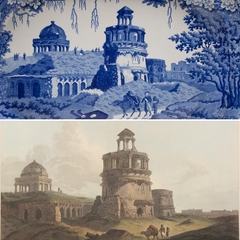
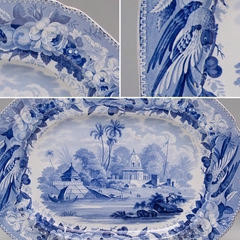
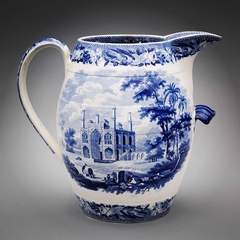
Spode Pottery introduced their Caramanian series around 1809. Caramania historically referred to the southern coast of Turkey, known as the Turquoise Coast. Spode copied imagery from the twenty-four aquatints in Views in the Ottoman Empire (1803) for their series. The whimsical border pattern on the series, which features a number of animals, was drawn from the aquatints in Oriental Field Sports (1807). Imagery from the print “Antique Fragments at Limisso,” displayed on the pieces here, may represent Kolossi Castle in Limassol, on the south coast of Cyprus in the eastern Mediterranean. All objects and images are from the collection of Michael Sack. "From #PrintToPlate: Views of the East on Transferware" is on display, every day, 24 hours a day, pre-security, in the International Terminal. http://bit.ly/PrintToPlate
This image was posted on March 09, 2017.
Similar Instagram posts
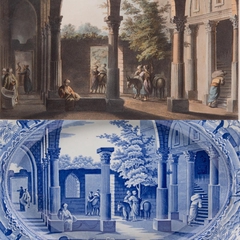
Spode Pottery introduced their Caramanian series around 1809.
This image was posted on November 01, 2016.
#painting #blueandwhite #ceramics #pottery #aquatint #transferware #spode #caramanian
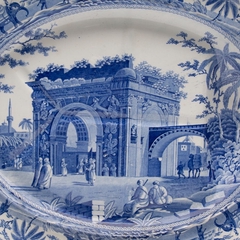
Erected in 165 CE to commemorate a victory over the Parthians during the Roman-Parthian wars, the triumphal Arch of Marcus Aurelius, depicted on this platter, is located in Tripoli, Libya, and demonstrates the vast extent of the Roman Empire.
This image was posted on December 12, 2016.
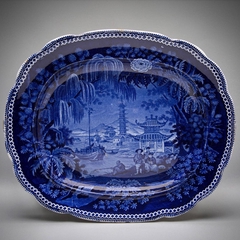
Sir George Leonard Staunton (1737–1801) arrived in China in 1792 as a member of a British delegation.
This image was posted on August 11, 2016.
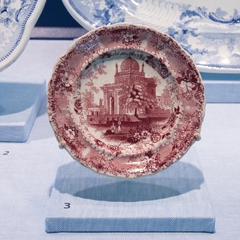
Cobalt blue was one of the few mineral colors that could withstand the heat of glaze firing.
This image was posted on November 14, 2016.

The Taj Mahal, a Mughal monument and tomb, is located along the southern bank of the Yamuna (Jumna) River in Agra, India.
This image was posted on August 05, 2016.
The aquatint technique was introduced to England from France in the mid-eighteenth century.
This image was posted on October 27, 2016.
#printtoplate: #transferware" #blueandwhite #design #transferware #aquatints
Lieutenant-Colonel Charles Ramus Forrest (1750–1827) was an amateur artist and East India Company official.
This image was posted on November 29, 2016.
Thomas Daniell’s depiction of the “Gate of the Tomb of the Emperor Akbar, at Secundra, near Agra” from Oriental Scenery includes tents set up outside of the structure where he and other British nationals might have stayed when passing through the area.
This image was posted on September 27, 2016.