
loading image

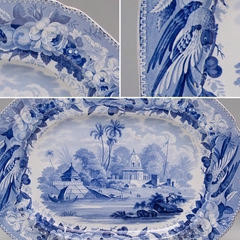
Thomas Daniell’s depiction of the “Gate of the Tomb of the Emperor Akbar, at Secundra, near Agra” from Oriental Scenery includes tents set up outside of the structure where he and other British nationals might have stayed when passing through the area. The mausoleum was built in the state of Uttar Pradesh, India, for emperor Akbar (1542–1605). The impressive main gateway is made of red sandstone and contains intricate inlay patterns of white marble and colored stone. Under Akbar’s reign, Mughal architecture flourished, combining elements of Persian, Islamic, and Hindu designs. All objects are from the collection of Michael Sack. See more artwork by the Daniells on display in "From #PrintToPlate: Views of the East on Transferware", pre-security, in the International Terminal. http://bit.ly/PrintToPlate Jug, Tomb of the Emperor Acbar [Akbar] pattern c. 1810–30s Parrot Border series maker unknown Staffordshire, England earthenware, blue underglaze L2016.0901.045
This image was posted on September 27, 2016.
Similar Instagram posts
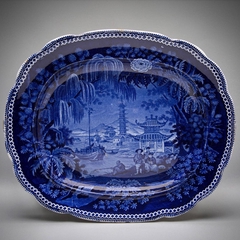
Sir George Leonard Staunton (1737–1801) arrived in China in 1792 as a member of a British delegation.
This image was posted on August 11, 2016.

The Taj Mahal, a Mughal monument and tomb, is located along the southern bank of the Yamuna (Jumna) River in Agra, India.
This image was posted on August 05, 2016.
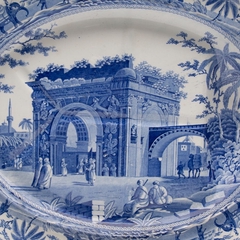
Erected in 165 CE to commemorate a victory over the Parthians during the Roman-Parthian wars, the triumphal Arch of Marcus Aurelius, depicted on this platter, is located in Tripoli, Libya, and demonstrates the vast extent of the Roman Empire.
This image was posted on December 12, 2016.
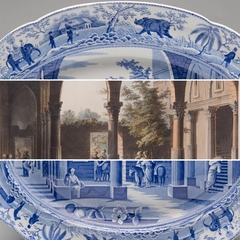
Spode Pottery introduced their Caramanian series around 1809.
This image was posted on March 09, 2017.
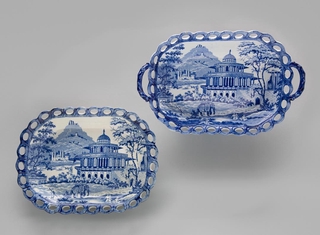
The East India Company, an English company that formed in order to trade with China, Southeast Asia, and India, granted Thomas Daniell and his teenage nephew permission to journey to India to work as engravers in late 1784.
This image was posted on September 01, 2016.
Lieutenant-Colonel Charles Ramus Forrest (1750–1827) was an amateur artist and East India Company official.
This image was posted on November 29, 2016.
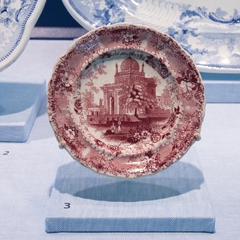
Cobalt blue was one of the few mineral colors that could withstand the heat of glaze firing.
This image was posted on November 14, 2016.