
loading image

In 1935, in response to a request for a large-capacity, long-range airliner from United Air Lines, Douglas began developing the DC-4. Soon, American Airlines, Eastern Air Lines, and Pan American Airways expressed interest. The prototype was a large, pressurized, four-engine airliner with a capacity for fifty-two passengers. It also featured a low-profile triple tail in order to fit into aircraft hangers of the period. It first flew in 1938. However, the aircraft was deemed too large and complicated, with performance was well below expectations. As a result, it was completely redesigned. A smaller, less complicated, unpressurized design was developed instead, which became the DC-4. The original prototype, then re-designated the DC-4E to differentiate between the two, was sold to the Empire of Japan. See "Aviation Evolutions: The Jim Lund 1:72 Scale Model Airplane Collection", which features more than 200 models, on display, pre-security, in the Aviation Museum. http://bit.ly/AviationEvolutions
This image was posted on November 29, 2017.
Similar Instagram posts
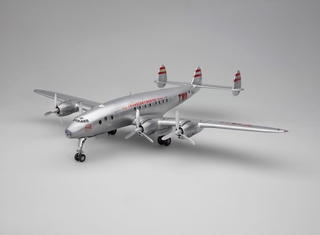
In 1939, Hollywood producer, financial magnate, and visionary aviator Howard Hughes acquired a majority share of TWA (Transcontinental & Western Air).
This image was posted on December 08, 2017.
#aviationevolutions #jimlund #twa #howardhughes #lockheed #connie #constellation #avgeek #avationgeek #aviation #aviationhistory #aviationlovers #vintageaviation #history #avhistory #aviationgeeks #instaplane #flying #modelplane #flight #airline #avgeeks #aviation4u #aviationdaily #modelaricraft #airplane #aircraft
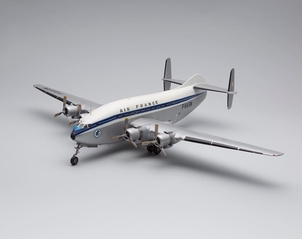
At the end of World War II, the French aircraft manufacturer Breguet began designing a large-capacity, mid-range airliner that would ultimately become the four-engine, double-deck 763 Provence.
This image was posted on August 24, 2018.
#aviationevolutions #jimlund #avgeek #aviationgeek #aviation #aviationhistory #vintageaviation #history #aviationgeeks #modelplane #scalemodel #avgeeks
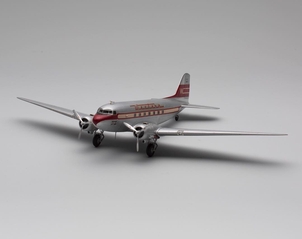
The Douglas DC-3 was arguably the most significant commercial airliner introduced before World War II.
This image was posted on February 07, 2019.
#aviationevolutions #jimlund #avgeek #aviationgeek #aviation #aviationhistory #vintageaviation #history #aviationgeeks #modelplane #scalemodel #avgeeks
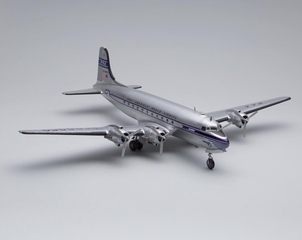
During the late 1930s, following a request from United Air Lines, Douglas Aircraft of Santa Monica, California, developed a large-capacity, long-range, pressurized, four-engine airliner.
This image was posted on December 26, 2018.
#aviationevolutions #modelplane #scalemodel #avgeek #aviationhistory #dc-4 #panam
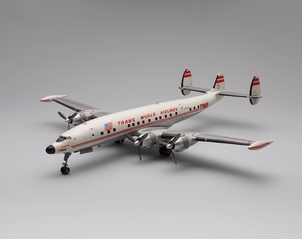
Introduced in 1951, the Lockheed 1049 Super Constellation was an enhanced-range, stretched upgrade of the 049 Constellation and was designed primarily to compete on transatlantic routes with the Douglas DC-6.
This image was posted on October 25, 2018.
#aviationevolutions #jimlund #avgeek #aviationgeek #aviation #aviationhistory #vintageaviation #history #aviationgeeks #modelplane #scalemodel #avgeeks
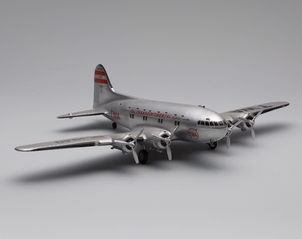
The Boeing 307 Stratoliner was the first commercial airliner put in service to have a pressurized cabin.
This image was posted on July 05, 2018.
#aviationevolutions #jimlund #avgeek #avationgeek #aviation #aviationhistory #vintageaviation #history #avhistory #aviationgeeks #modelplane #avgeeks #modelaircraft #airplane #aircraft #boeing #boeing307 #twa
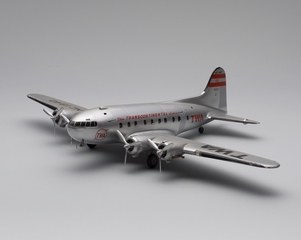
The Boeing 307 Stratoliner was the first commercial airliner put in service to have a pressurized cabin.
This image was posted on July 05, 2018.
#aviationevolutions #jimlund #avgeek #avationgeek #aviation #aviationhistory #vintageaviation #history #avhistory #aviationgeeks #modelplane #avgeeks #modelaircraft #airplane #aircraft #boeing #boeing307 #twa
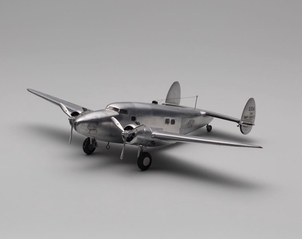
The Lockheed Model 14 Super Electra was a twin-engine, low-wing monoplane with a clean, aerodynamic fuselage and a twin tail.
This image was posted on December 07, 2018.
#aviationevolutions #jimlund #lockheed #avgeek #aviationgeek #aviation #aviationhistory #vintageaviation #history #aviationgeeks #modelplane #scalemodel #avgeeks
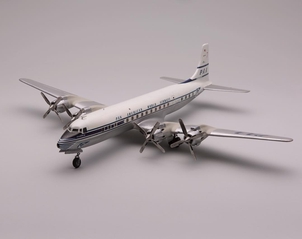
In an effort to compete with TWA (Trans World Airlines) on transatlantic routes to Europe, Pan American World Airways ordered the extended-range DC-7C (dubbed the “Seven Seas”) from Douglas Aircraft.
This image was posted on September 13, 2018.
#aviationevolutions #jimlund #avgeek #aviationgeek #aviation
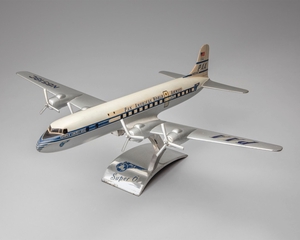
Have you visited our new aviation collections website?
This image was posted on February 09, 2022.
#museumlife #avgeek
This post mentions the following things involved with the SFO Museum collection:
Aviation Evolutions: The Jim Lund 1:72 Scale Model Airplane Collection
This aviation exhibition was on display between September 2017 and March 2019 in the AML Aviation Museum Gallery 01 gallery, located in International Terminal