loading image

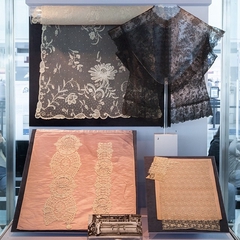
The María Clara served as the formal female ensemble of the Philippines in the late nineteenth century and was perfectly suited to the humid climate. The romantic outfit, often worn by mestizas or women of mixed Philippine and Spanish descent, combined Indigenous and Spanish influences. Derived from the traditional female baro’t saya attire, the María Clara consists of a loose, long-sleeved blouse over a wide ankle-length skirt. The blouse or camisa, featured bell-shaped sleeves or “angel wings.” The puffy sleeves were often temporarily basted onto a camisa when worn, and then dismantled for washing, ironing, and flat storage. A pañuelo or square piece of cloth was folded several times and placed over the shoulders. Pañuelos, likely inspired by shawls, provided protection from the sun as well as modesty due to the camisa’s sheerness and low neckline. Simultaneously, they served as the most decorative accents due to their lavish handwork embellishments. A tapis, or overskirt, completed the outfit. See "From Pineapple to Piña: A Philippine Textile Treasure" on display, post-security, in Harvey Milk Terminal 1 and online at: https://bit.ly/PineappletoPina
This image was posted on October 19, 2022.
Similar Instagram posts
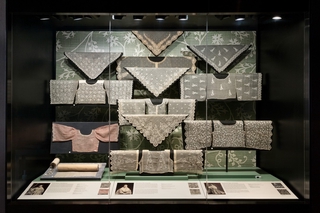
Light and airy, the María Clara served as the formal female ensemble of the Philippines in the late nineteenth century and was perfectly suited to the humid climate.
This image was posted on May 23, 2022.
#pineappletopina #piña #pineapple #lace #fashion #design #phillipines
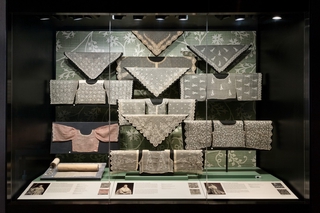
During Spanish colonization, young Filipina women acquired a Western education at convents, orphanages, and schools that were established in cities and provinces throughout the Philippines.
This image was posted on May 10, 2022.
#pineappletopina #piña #pineapple #lace #fashion #design #phillipines
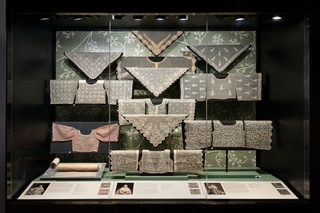
The two most spectacular forms of piña handwork include calado (pullwork) and sombrado (appliqué).
This image was posted on June 07, 2022.
#pineappletopina #piña #pineapple #lace #fashion #design #phillipines
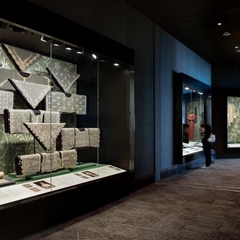
The pineapple plant, known all over the world for its delicious fruit, is indigenous to Central and South America.
This image was posted on April 26, 2022.
#pineappletopina #pineapple #lace #fashion #design #phillipines #textile
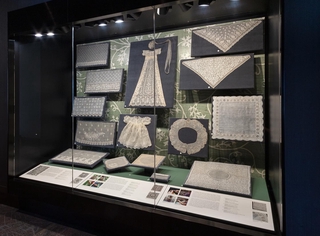
The quality of nineteenth-century piña textiles and embroidery is unsurpassed.
This image was posted on June 27, 2022.
#pineappletopina #piña #pineapple #lace #fashion #design #phillipines