loading image

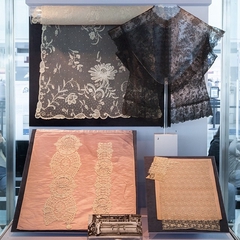
The quality of nineteenth-century piña textiles and embroidery is unsurpassed. The embroidery industry thrived in the early twentieth century, particularly as an export industry encouraged by American colonists who occupied the Philippines from 1898 to 1946. Many women and girls learned lace making, embroidery, and crochet and supplemented the income of their families by creating a variety of household linens. Piña remains a distinct Philippine product, popular in the West as high-end linens, souvenirs, handbags, handkerchiefs, and other accessory items. See "From Pineapple to Piña: A Philippine Textile Treasure" on display, post-security, in Harvey Milk Terminal 1 and online at: https://bit.ly/PineappletoPina
This image was posted on June 27, 2022.
Similar Instagram posts
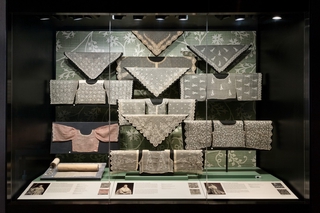
During Spanish colonization, young Filipina women acquired a Western education at convents, orphanages, and schools that were established in cities and provinces throughout the Philippines.
This image was posted on May 10, 2022.
#pineappletopina #piña #pineapple #lace #fashion #design #phillipines
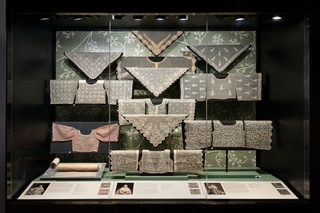
The two most spectacular forms of piña handwork include calado (pullwork) and sombrado (appliqué).
This image was posted on June 07, 2022.
#pineappletopina #piña #pineapple #lace #fashion #design #phillipines
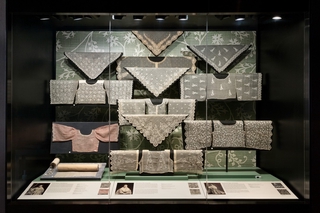
Light and airy, the María Clara served as the formal female ensemble of the Philippines in the late nineteenth century and was perfectly suited to the humid climate.
This image was posted on May 23, 2022.
#pineappletopina #piña #pineapple #lace #fashion #design #phillipines
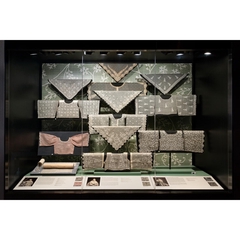
The María Clara served as the formal female ensemble of the Philippines in the late nineteenth century and was perfectly suited to the humid climate.
This image was posted on October 19, 2022.
#pineappletopina #piña #pineapple #lace #fashion #design #philippines