
loading image

In the late 1920s, airline passenger seats needed to be light, yet strong, durable, and sufficiently comfortable to sit in for long hours. This United Air Lines wicker seat was installed in a Ford Tri-Motor with a single seat on each side of the aisle. It has a metal tubing frame and was mounted to the cabin floor with fittings at the feet. Wicker attached to the frame forms the back, seat, and armrests. The strength, lightness, and flexibility of wicker, a woven plant fiber, made it a natural choice for early aviation, including the basketry for hot air balloons. Chair courtesy of the United Airlines Archives. Learn more about the early days of aviation in "Flying the Main Line: A History of United Airlines" on display, post-security, in Terminal 3. http://bit.ly/TheMainLine
This image was posted on July 28, 2017.
Similar Instagram posts
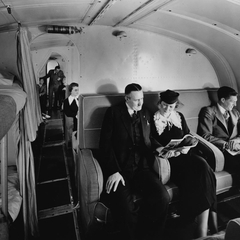
A trip on the Martin M-130 China Clipper in 1937 included five stops from San Francisco to Hong Kong: Honolulu; Midway Island; Wake Island; Guam; and Manila, Philippines.
This image was posted on May 14, 2016.
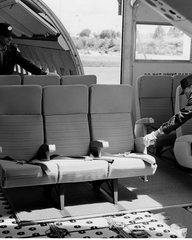
Check out these photos from the 1960s as United Air Lines employees fit a Boeing 727 Combi-Freighter with seats.
This image was posted on September 05, 2018.
#avgeek #aviationgeek #aviation #aviationhistory #aviationlovers #vintageaviation #history #aviationgeeks #avgeeks #boeing #boeing727 #combi
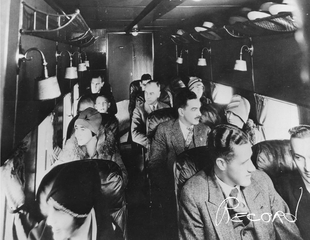
Early aircraft did not provide a way to heat meals for passengers, thus meals on flights were served cold.
This image was posted on January 28, 2016.
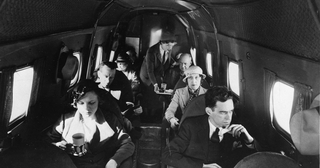
The all-metal, twin-engine Boeing 247 was a revolutionary airliner when it entered into service with United AIr Lines in 1933.
This image was posted on February 03, 2021.
#wingwednesday #avgeek #aviationhistory #boeing #1930s
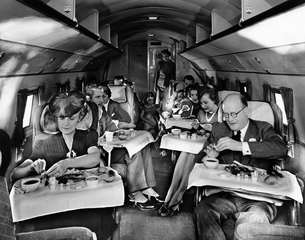
What did people eat on aircraft in the early days of aviation?
This image was posted on May 20, 2018.
#inflight #airlinemeals #meals #avgeek #avationgeek #aviation #aviationhistory #vintageaviation #history #avhistory #aviationgeeks #avgeeks
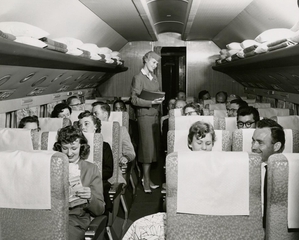
The DC-7 was Douglas Aircraft’s last design evolution of the piston-powered, four-engine, low-wing airliner layout that began with the DC-4.
This image was posted on June 02, 2021.
#wingwednesday #avgeek #airplane #dc7
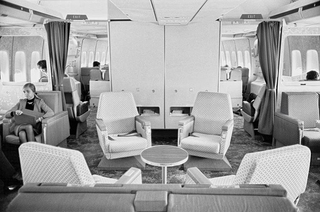
Introduced by Pan American World Airways in 1970, the Boeing 747-100 was the first of a new breed of jetliner, the “wide-body,” which ultimately revolutionized the airline industry.
This image was posted on February 14, 2019.
#avgeek #747 #boeing #jumbojet #unitedairlines #lounge #jetage
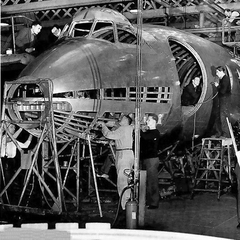
Developed and produced by Vickers-Armstrongs Ltd. of Great Britain, the Viscount was the world’s first turboprop airliner to go into service.
This image was posted on July 16, 2019.
#aviationaluminum #aluminum #design #industrialdesign #avgeek #vickers #viscount #vickersviscount #modelplane #aircraftmodel #museum
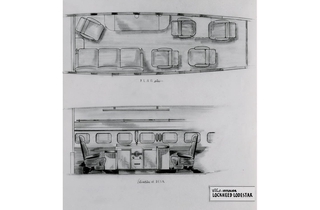
Although Lockheed's Model 14 Super Electra performed admirably, its larger competitor, the Douglas DC-3, was less expensive to operate.
This image was posted on March 24, 2021.
#wingwednesday #avgeek #lockheed #lodestar #airplane
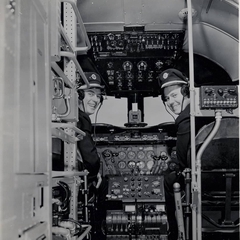
Did you know our collections staff catalog each object by hand?
This image was posted on May 13, 2019.
#behindthescenes #museummonday #museumlife