
loading image

Designed by Republic Aircraft’s test pilot and engineer Percival Hopkins "Spence" Spencer, the RC-3 Seabee was an all-metal, single-engine, sport amphibian aircraft introduced in 1946. The initial design was called the S-12 Air Car and featured fabric covered, wood ribbed wings. When Republic acquired the rights to the design from Spencer in 1943, the company decided to produce the aircraft in more durable metal for military use, as well as the civilian sport market. The wings were constructed of rigid corrugated aluminum, which eliminated the need for ribs. To the consternation of Republic, all military contracts were cancelled in 1945, and the anticipated demand from returning World War II pilots was much less than expected. Production was ended in 1947 after a little over a thousand were built, yet the aircraft remained popular among bush pilots and as air taxis in countries with long coastlines or island chains. Over 200 remain in operation. See "Aviation Evolutions: The Jim Lund 1:72 Scale Model Airplane Collection", which features more than 200 models, on display, pre-security, in the Aviation Museum. http://bit.ly/AviationEvolutions
This image was posted on May 17, 2018.
Similar Instagram posts
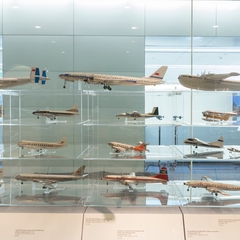
Developed behind the Iron Curtain by the Tupolev Design Bureau during the late 1950s, the massive Tu-114 Rossiya (Russia) turboprop airliner was introduced by the Soviet national airline Aeroflot in 1961.
This image was posted on February 20, 2018.
#aviationevolutions #jimlund #avgeek #avationgeek #aviation #aviationhistory #aviationlovers #vintageaviation #history #avhistory #aviationgeeks #instaplane #flying #modelplane #flight #airline #avgeeks #aviation4u #aviationdaily #modelaircraft #airplane #aircraft
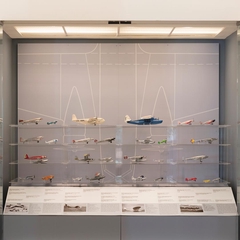
Introduced in the late 1930s, the British-produced Short S.30 series of aircraft was a large-capacity double-deck flying boat.
This image was posted on January 17, 2019.
#aviationevolutions #jimlund #avgeek #aviationgeek #aviation #aviationhistory #vintageaviation #history #aviationgeeks #modelplane #scalemodel #avgeeks #auckland #sydney #teal
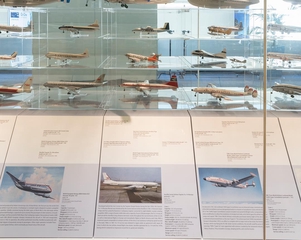
Introduced in 1951, the Lockheed 1049 Super Constellation was an enhanced-range, stretched upgrade of the 049 Constellation and was designed primarily to compete on transatlantic routes with the Douglas DC-6.
This image was posted on October 25, 2018.
#aviationevolutions #jimlund #avgeek #aviationgeek #aviation #aviationhistory #vintageaviation #history #aviationgeeks #modelplane #scalemodel #avgeeks
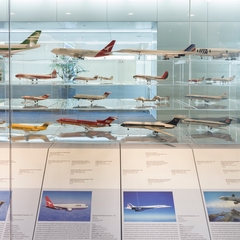
The DC-10 was McDonnell Douglas’ answer to Boeing’s wide-body 747 jumbo-jet.
This image was posted on June 21, 2018.
#aviationevolutions #jimlund #avgeek #avationgeek #aviation #aviationhistory #vintageaviation #history #avhistory #aviationgeeks #modelplane #avgeeks #modelaircraft #airplane #aircraft #dc10
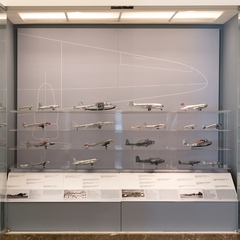
The Lockheed Model 12 Electra was similar to the Model 10 Electra in design, but smaller and faster.
This image was posted on April 26, 2018.
#aviationevolutions #jimlund #lockheed #electra #continental #avgeek #avationgeek #aviation #aviationhistory #aviationlovers #vintageaviation #history #avhistory #aviationgeeks #instaplane #flying #modelplane #flight #airline #avgeeks #aviation4u #aviationdaily #modelaircraft #airplane #aircraft
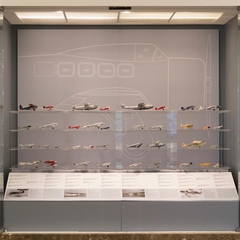
The Stinson Model A was one of the last commercial airliners produced in the United States with a steel-tube and fabric fuselage.
This image was posted on October 03, 2018.
#aviationevolutions #jimlund #avgeek #aviationgeek #aviation #aviationhistory #vintageaviation #history #aviationgeeks #modelplane #scalemodel #avgeeks
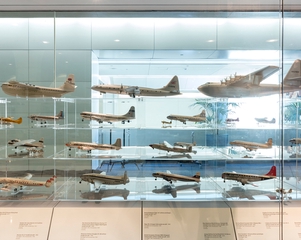
The Convair 240 was the first postwar commercial airliner developed by the Consolidated Vultee Company, or Convair, of San Diego.
This image was posted on July 18, 2018.
#aviationevolutions #jimlund #avgeek #avationgeek #aviation #aviationhistory #vintageaviation #history #avhistory #aviationgeeks #modelplane #avgeeks #modelaircraft #airplane #aircraft #convair #convair240
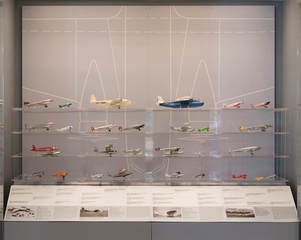
The Douglas DC-3 was arguably the most significant commercial airliner introduced before World War II.
This image was posted on February 07, 2019.
#aviationevolutions #jimlund #avgeek #aviationgeek #aviation #aviationhistory #vintageaviation #history #aviationgeeks #modelplane #scalemodel #avgeeks
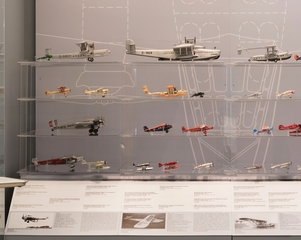
The de Havilland DH-60G Moth was a two-seat biplane of mostly wood construction, with a plywood covered fuselage and cloth covered wings.
This image was posted on April 05, 2018.
#aviationevolutions #womeninaviation #jimlund #avgeek #avationgeek #aviation #aviationhistory #aviationlovers #vintageaviation #history #avhistory #aviationgeeks #modelplane #flight #avgeeks #modelaircraft #airplane #aircraft #dehavilland
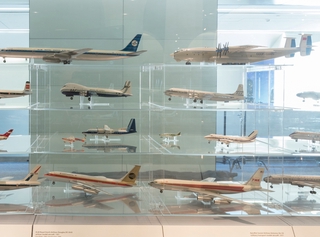
First flown in 1957, the Boeing Model 707 was the first US-made, pure-turbojet airliner to be introduced.
This image was posted on January 24, 2018.
#aviationevolutions #jimlund #avgeek #avationgeek #aviation #aviationhistory #aviationlovers #vintageaviation #history #avhistory #aviationgeeks #flying #modelplane #avgeeks #modelaircraft #airplane #aircraft #boeing #boeing707 #twa
This post mentions the following things involved with the SFO Museum collection:
Aviation Evolutions: The Jim Lund 1:72 Scale Model Airplane Collection
This aviation exhibition was on display between September 2017 and March 2019 in the AML Aviation Museum Gallery 01 gallery, located in International Terminal