
loading image

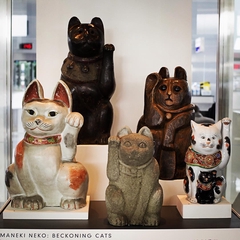
The Fushimi kilns of Kyoto began crafting distinctive maneki neko during the early Meiji period (1868–1912). Fushimi maneki neko became even more sophisticated by the middle of the Meiji period; the naturalistically rendered, seated cats faced directly forward with either paw raised. This exhibition was made possible by a generous loan from Mingei International Museum. "Maneki Neko: Japanese Beckoning Cat" is on display post-security, in Terminal 2. http://bit.ly/BeckoningCats
This image was posted on May 19, 2018.
Similar Instagram posts
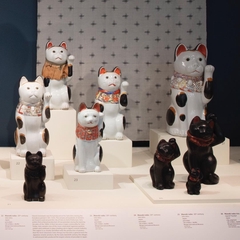
Seto potters first achieved production of true porcelain during the opening decades of the 1800s.
This image was posted on May 29, 2018.
#beckoningcats #seto #setomono #manekineko #catsofinstagram #cats #neko #meow #mewseum #japan #mingei #japanese #bibs #setomomo
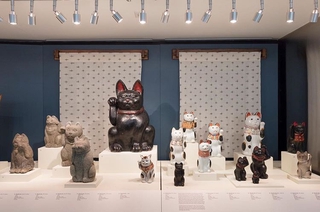
Cats, cats, cats!!
This image was posted on July 02, 2018.
#beckoningcats #manekineko #catsofinstagram #cats #neko #meow #mewseum #japan #mingei #japanese #mew #mewseummonday
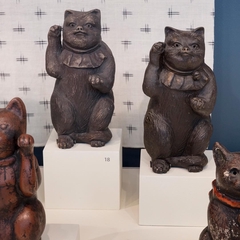
Shigaraki, located in the mountains east of Kyoto in Shiga Prefecture, began making stoneware in the thirteenth century.
This image was posted on April 28, 2018.
#beckoningcats #caturday #manekineko #catsofinstagram #cats #neko #meow #mewseum #japan #mingei #japanese #fox #dog #pottery #ceramics
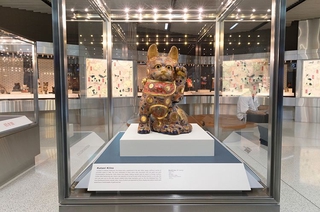
It's International Cat Day and we cannot get enough of cats at SFO Museum!
This image was posted on August 08, 2018.
#internationalcatday #caticons #beckoningcats #manekineko #catsofinstagram #cats #neko #meow #mewseum #japan #mingei #japanese #caticon #cat #catsofinstagram #cats #meow #mewseum #catstagram #catsagram #catscatscats #catlover
Our newest exhibition Mingei: Traditional Japanese Arts, with objects from Mingei International Museum, just opened over the weekend!
This image was posted on August 10, 2015.
#mewseummonday #mingeifolkart
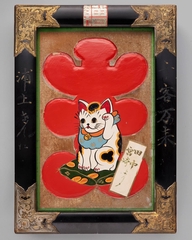
Kanban or Japanese shop signs feature imagery that allows potential customers to identify the things merchants sell in their shops.
This image was posted on June 07, 2018.
#beckoningcats #manekineko #catsofinstagram #cats #neko #meow #mewseum #japan #mingei #japanese
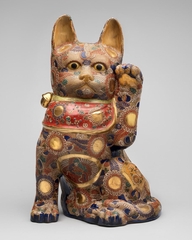
Decorated with red glaze and gold ornamentation, this maneki neko figure comes from the Kutani kilns, established in the late 1600s.
This image was posted on February 07, 2018.
#beckoningcats #manekineko #catsofinstagram #cats #neko #meow #mewseum #japan #mingei #japanese #kutani #kutaniyaki #ceramics