
Search results for @UCBerkeley
Refine these results

Mary Fuller McChesney was a largely self-taught sculptor and art historian. After studying philosophy at the @UCBerkeley, she embarked on a more dexterous pursuit and apprenticed with potter William Bragdon at California Faience in Berkeley. #CaliforniaModernistWomen
This tweet was posted on June 28, 2022.

Edith Heath created ceramics that combined modern design with the hand-made aesthetics of studio pottery. In the early 1940s, she moved west and took classes in ceramics at the California School of Fine Arts (now the @SFAIofficial) and @UCBerkeley. #CaliforniaModernistWomen
This tweet was posted on August 24, 2022.
@CuratorClare Thank you so much for stopping by! We hope you enjoyed the exhibition! This collection comes from the Essig Museum of Entomology at @UCBerkeley. See more information on our website: https://t.co/McPBuOIH0Z
This tweet was posted on October 11, 2019.
RT @katherinetam: Airport-bound for the holidays? If u're at SFO, check out antique microscopes from #UCBerkeley collection on display: ...
This tweet was posted on December 22, 2011.

Cris Benton, a retired @ucberkeley professor, photographed the stunning landscape of the South Bay.
This tweet was posted on November 03, 2015.

A #sneakpeek of retired @UCBerkeley professor, Cris Benton's On Approach exhibition, opening tomorrow at @flySFO!
This tweet was posted on August 31, 2015.
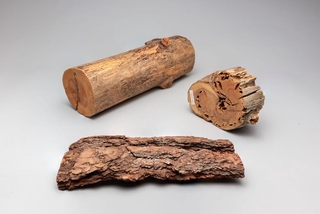
Most animals do not eat wood because of tough lignin fibers and cellulose sugars that are difficult to digest.
This image was posted on November 04, 2019.
#intriguinginsects #worldofinsects #insects #entomology #berkeley #ucberkeley #wood
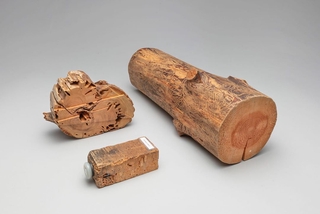
Most animals do not eat wood because of tough lignin fibers and cellulose sugars that are difficult to digest.
This image was posted on November 04, 2019.
#intriguinginsects #worldofinsects #insects #entomology #berkeley #ucberkeley #wood
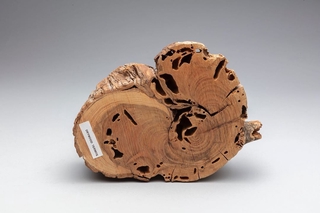
Most animals do not eat wood because of tough lignin fibers and cellulose sugars that are difficult to digest.
This image was posted on November 04, 2019.
#intriguinginsects #worldofinsects #insects #entomology #berkeley #ucberkeley #wood
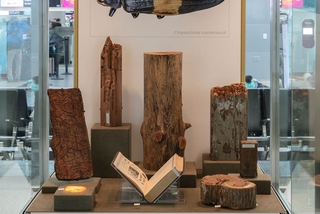
Most animals do not eat wood because of tough lignin fibers and cellulose sugars that are difficult to digest.
This image was posted on November 04, 2019.
#intriguinginsects #worldofinsects #insects #entomology #berkeley #ucberkeley #wood
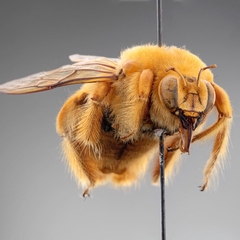
Bees, wasps, and ants all belong to the order Hymenoptera, meaning membranous wings.
This image was posted on October 31, 2019.
#intriguinginsects #worldofinsects #insects #entomology #berkeley #ucberkeley
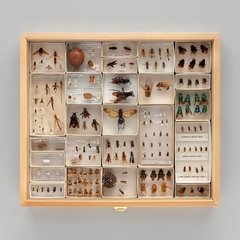
Bees, wasps, and ants all belong to the order Hymenoptera, meaning membranous wings.
This image was posted on October 31, 2019.
#intriguinginsects #worldofinsects #insects #entomology #berkeley #ucberkeley
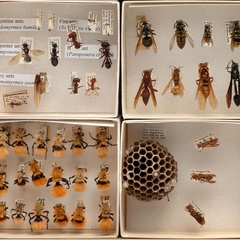
Bees, wasps, and ants all belong to the order Hymenoptera, meaning membranous wings.
This image was posted on October 31, 2019.
#intriguinginsects #worldofinsects #insects #entomology #berkeley #ucberkeley
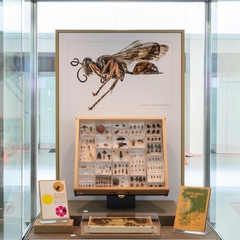
Bees, wasps, and ants all belong to the order Hymenoptera, meaning membranous wings.
This image was posted on October 31, 2019.
#intriguinginsects #worldofinsects #insects #entomology #berkeley #ucberkeley
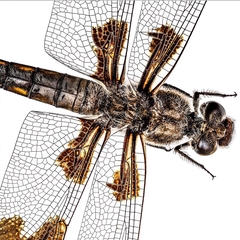
Dragonflies were among the first insects to evolve wings around 325 million years ago—long before dinosaurs roamed the earth.
This image was posted on July 30, 2019.
#intriguinginsects #worldofinsects #insects #entomology #berkeley #ucberkeley #dragonfly #dragonflies
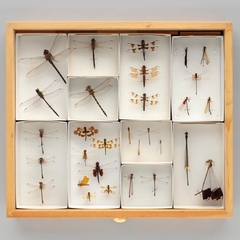
Dragonflies were among the first insects to evolve wings around 325 million years ago—long before dinosaurs roamed the earth.
This image was posted on July 30, 2019.
#intriguinginsects #worldofinsects #insects #entomology #berkeley #ucberkeley #dragonfly #dragonflies
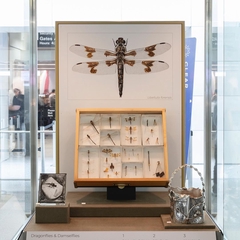
Dragonflies were among the first insects to evolve wings around 325 million years ago—long before dinosaurs roamed the earth.
This image was posted on July 30, 2019.
#intriguinginsects #worldofinsects #insects #entomology #berkeley #ucberkeley #dragonfly #dragonflies
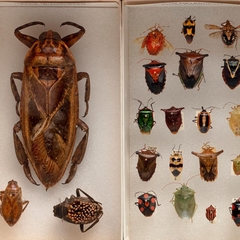
When you say “bug” to entomologists, they assume you mean a true bug—an insect in the order Hemiptera.
This image was posted on July 22, 2019.
#intriguinginsects #worldofinsects #insects #entomology #berkeley #ucberkeley #truebugs #bugs #hemiptera #museum
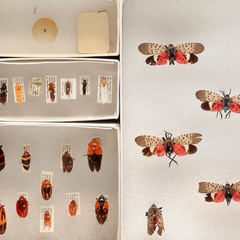
When you say “bug” to entomologists, they assume you mean a true bug—an insect in the order Hemiptera.
This image was posted on July 22, 2019.
#intriguinginsects #worldofinsects #insects #entomology #berkeley #ucberkeley #truebugs #bugs #hemiptera #museum
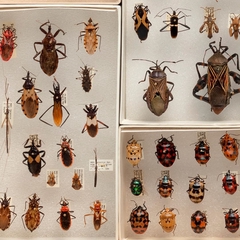
When you say “bug” to entomologists, they assume you mean a true bug—an insect in the order Hemiptera.
This image was posted on July 22, 2019.
#intriguinginsects #worldofinsects #insects #entomology #berkeley #ucberkeley #truebugs #bugs #hemiptera #museum
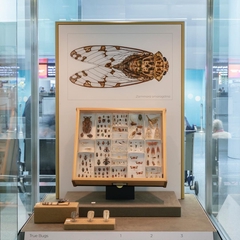
When you say “bug” to entomologists, they assume you mean a true bug—an insect in the order Hemiptera.
This image was posted on July 22, 2019.
#intriguinginsects #worldofinsects #insects #entomology #berkeley #ucberkeley #truebugs #bugs #hemiptera #museum
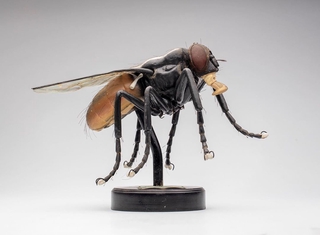
The house fly (Musca domestica), well known throughout the world, was named by Carl Linnaeus in 1758 as part of his Systema Naturae series of publications.
This image was posted on July 18, 2019.
#intriguinginsects #worldofinsects #insects #entomology #berkeley #ucberkeley #flies #fly #housefly
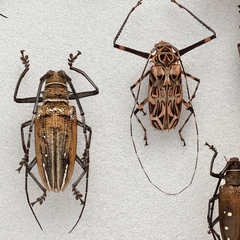
Longhorn beetles belong to the family Cerambycidae and derive their name from their long antennae.
This image was posted on July 02, 2019.
#intriguinginsects #worldofinsects #insects #entomology #berkeley #ucberkeley #beetle #cerambycidae #longhornbeetles
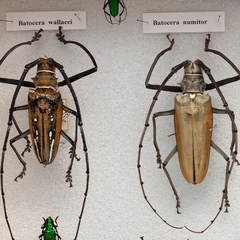
Longhorn beetles belong to the family Cerambycidae and derive their name from their long antennae.
This image was posted on July 02, 2019.
#intriguinginsects #worldofinsects #insects #entomology #berkeley #ucberkeley #beetle #cerambycidae #longhornbeetles
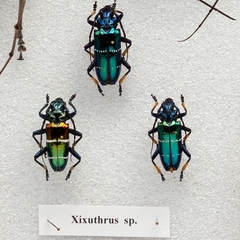
Longhorn beetles belong to the family Cerambycidae and derive their name from their long antennae.
This image was posted on July 02, 2019.
#intriguinginsects #worldofinsects #insects #entomology #berkeley #ucberkeley #beetle #cerambycidae #longhornbeetles
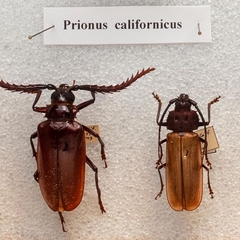
Longhorn beetles belong to the family Cerambycidae and derive their name from their long antennae.
This image was posted on July 02, 2019.
#intriguinginsects #worldofinsects #insects #entomology #berkeley #ucberkeley #beetle #cerambycidae #longhornbeetles
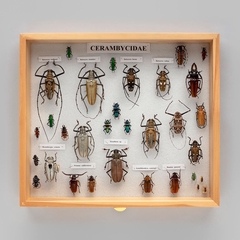
Longhorn beetles belong to the family Cerambycidae and derive their name from their long antennae.
This image was posted on July 02, 2019.
#intriguinginsects #worldofinsects #insects #entomology #berkeley #ucberkeley #beetle #cerambycidae #longhornbeetles
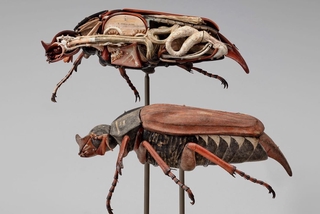
The cockchafer beetle (Melolontha melolontha Linnaeus, 1758) is a well-known plant pest in Europe, and one of the first beetle species named by Carl von Linné (a.k.a. Linnaeus), the Swedish biologist who created the binomial system for naming species.
This image was posted on June 13, 2019.
#intriguinginsects #worldofinsects #insects #entomology #berkeley #ucberkeley #cockchaferbeetle #beetle #bugs #linnaeus
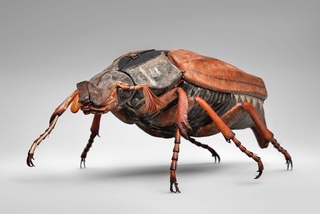
The cockchafer beetle (Melolontha melolontha Linnaeus, 1758) is a well-known plant pest in Europe, and one of the first beetle species named by Carl von Linné (a.k.a. Linnaeus), the Swedish biologist who created the binomial system for naming species.
This image was posted on June 13, 2019.
#intriguinginsects #worldofinsects #insects #entomology #berkeley #ucberkeley #cockchaferbeetle #beetle #bugs #linnaeus
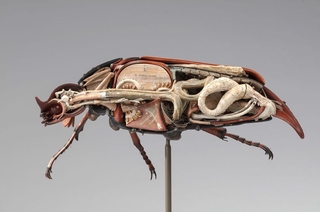
The cockchafer beetle (Melolontha melolontha Linnaeus, 1758) is a well-known plant pest in Europe, and one of the first beetle species named by Carl von Linné (a.k.a. Linnaeus), the Swedish biologist who created the binomial system for naming species.
This image was posted on June 13, 2019.
#intriguinginsects #worldofinsects #insects #entomology #berkeley #ucberkeley #cockchaferbeetle #beetle #bugs #linnaeus
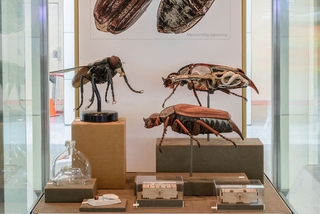
The cockchafer beetle (Melolontha melolontha Linnaeus, 1758) is a well-known plant pest in Europe, and one of the first beetle species named by Carl von Linné (a.k.a.
This image was posted on June 13, 2019.
#intriguinginsects #worldofinsects #insects #entomology #berkeley #ucberkeley #cockchaferbeetle #beetle #bugs #linnaeus
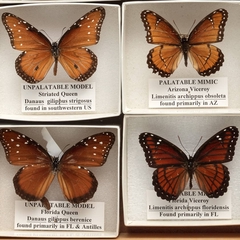
Insects with bright, high-contrast colors are often noxious and do not taste good, or may bite, or sting.
This image was posted on June 06, 2019.
#intriguinginsects #worldofinsects #insects #entomology #berkeley #ucberkeley #mimicry #müllerian #batesianmimicry
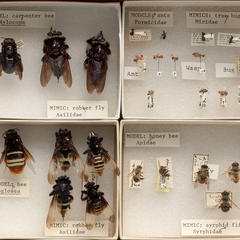
Insects with bright, high-contrast colors are often noxious and do not taste good, or may bite, or sting.
This image was posted on June 06, 2019.
#intriguinginsects #worldofinsects #insects #entomology #berkeley #ucberkeley #mimicry #müllerian #batesianmimicry
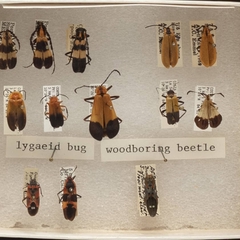
Insects with bright, high-contrast colors are often noxious and do not taste good, or may bite, or sting.
This image was posted on June 06, 2019.
#intriguinginsects #worldofinsects #insects #entomology #berkeley #ucberkeley #mimicry #müllerian #batesianmimicry
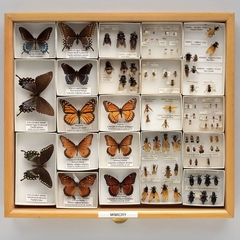
Insects with bright, high-contrast colors are often noxious and do not taste good, or may bite, or sting.
This image was posted on June 06, 2019.
#intriguinginsects #worldofinsects #insects #entomology #berkeley #ucberkeley #mimicry #müllerian #batesianmimicry
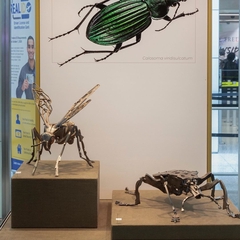
Artist Gar Waterman brings magnificence to life with this wasp sculpture.
This image was posted on May 31, 2019.
#intriguinginsects #worldofinsects #insects #entomology #berkeley #ucberkeley #garwaterman #wasp