
loading image

The Western World has long been inspired by Chinese and Japanese arts. By the eighteenth century, large quantities of porcelain, silk, and lacquerware were imported from China and Japan. As a result, many European designers and craftsmen began emulating Asian designs and creating their own imaginative interpretations. In the mid-nineteenth century, after living in isolation for centuries, Japan opened its doors to the West and increased trading. World’s Fairs in Europe and the United States began to showcase Japanese arts to a mass audience. Japanese artifacts readily appeared in exhibitions, import shops, and art collections. As in the past, artists and designers incorporated Japanese motifs and designs into their work. This long-held enchantment with the East found its way into beaded and embroidered bag designs. Makers embellished purses with Japanese and Chinese scenes, and motifs from dragons to Chinese emperors.
This image was posted on June 13, 2016.
Similar Instagram posts
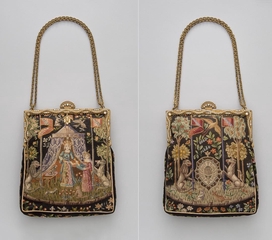
During the first half of the twentieth century, petit point and tapestry purses were a sought-after European import.
This image was posted on March 11, 2016.
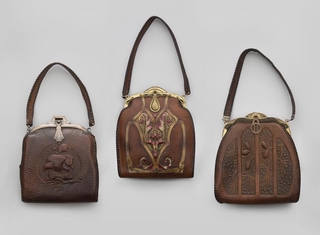
Hand-tooled and embossed leather bags became popular around 1900 and continued to be fashionable until the late 1930s.
This image was posted on March 28, 2016.
#essentialpurses #vintage #antique #purse #fashion
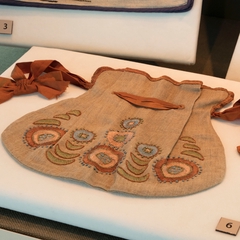
Most women at the height of the Arts and Crafts movement had some knowledge of how to embroider.
This image was posted on September 12, 2017.
#sfoartsandcrafts #artsandcraftsmovement #artsandcraftsstyle #craftsmanstyle #craftsmanhome #bungalowstyle #embroidery #purses #throwpillows #dresses #aprons #flowers #embroider #embroidered #butteryflies #dragonflies
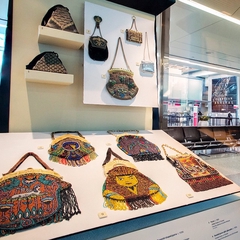
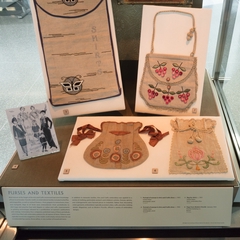
Most women at the height of the Arts and Crafts movement had some knowledge of how to embroider.
This image was posted on September 12, 2017.
#sfoartsandcrafts #artsandcraftsmovement #artsandcraftsstyle #craftsmanstyle #craftsmanhome #bungalowstyle #embroidery #purses #throwpillows #dresses #aprons #flowers #embroider #embroidered #butteryflies #dragonflies
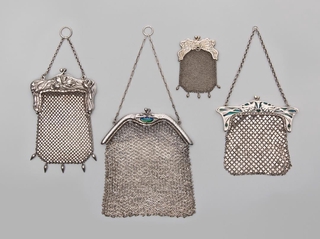
This is your last week to catch "Essential Style: Vintage and Antique Purse", on display, pre-security, in the International Terminal!
This image was posted on July 19, 2016.
#artnouveausfo
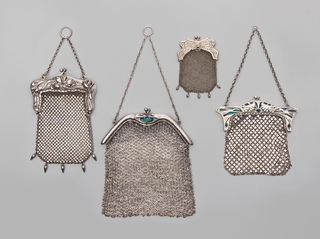
This is your last week to catch "Essential Style: Vintage and Antique Purse", on display, pre-security, in the International Terminal!
This image was posted on July 19, 2016.
#artnouveausfo
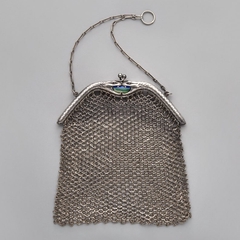
This post mentions the following things involved with the SFO Museum collection:
Essential Style: Vintage and Antique Purses
This nonaviation exhibition was on display between January 2016 and July 2016 in the A-02 International South Cases gallery, located in International Terminal