
loading image

European immigrants from Germanic-speaking parts of Europe began settling in southeastern Pennsylvania in the late seventeenth century. In Europe, most of these industrious immigrants were peasants, artisans, and small farmers. Although agriculture served as the major industry, many people worked as farmer-craftsmen in the new world. Because Pennsylvania Germans lived in isolated, rural communities, they maintained strong cultural traditions for over two hundred years. During this time, Pennsylvania German folk art flourished. Woodworking, carving, and whittling were commonly practiced by males in Pennsylvania Germans communities prior to the Industrial Revolution. Men often made items of furniture for their homes, such as this chair, which is embellished with a heart—a beloved Pennsylvania German motif. Stool courtesy of the collection of the Landis Valley Village and Farm Museum, Pennsylvania Historical and Museum Commission. See "#AmericanFolkArt: An Enduring Legacy", on display, pre-security, in the International Terminal. http://bit.ly/AmericanFolkArt
This image was posted on December 27, 2017.
Similar Instagram posts
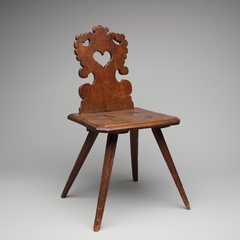
European immigrants from Germanic-speaking parts of Europe began settling in southeastern Pennsylvania in the late seventeenth century.
This image was posted on December 27, 2017.
#americanfolkart #folkart #pennsylvaniagerman #pennsylvaniagermanfolkart #pennsylvania #american #history #americana #folkartfun #antique #vintage #antiquefolkart #vintagefolkart #design #folkartdesign #folkarts #furniture #woodworking
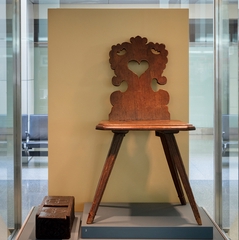
European immigrants from Germanic-speaking parts of Europe began settling in southeastern Pennsylvania in the late seventeenth century.
This image was posted on December 27, 2017.
#americanfolkart #folkart #pennsylvaniagerman #pennsylvaniagermanfolkart #pennsylvania #american #history #americana #folkartfun #antique #vintage #antiquefolkart #vintagefolkart #design #folkartdesign #folkarts #furniture #woodworking
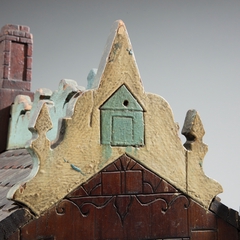
Many amateur craftsmen created unique folk houses and other architectural buildings from the mid-1800s to the early-1900s.
This image was posted on May 04, 2018.
#americanfolkart #folkart #american #history #americana #antique #vintage #design #folkarts #architecture #fairytale #house
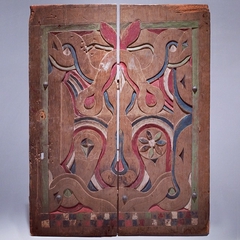
This image was posted on March 27, 2014.
#doors
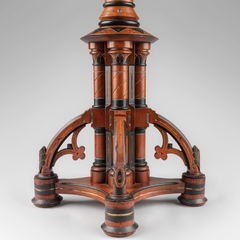
American Modern Gothic furnishings evolved from the nineteenth-century English design reform movement in England.
This image was posted on July 01, 2019.
#victorianpedestals #victorian #pedestals #victorianfurniture #victoriana #design #decorativeart #interiorstyle
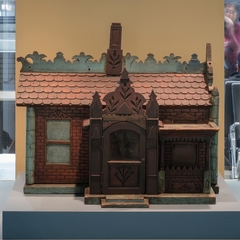
Many amateur craftsmen created unique folk houses and other architectural buildings from the mid-1800s to the early-1900s.
This image was posted on May 04, 2018.
#americanfolkart #folkart #american #history #americana #antique #vintage #design #folkarts #architecture #fairytale #house
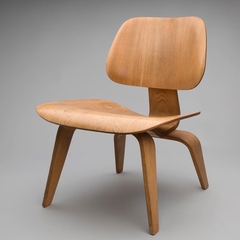
“The idea was to do a piece of furniture that would be simple and yet comfortable…it would have in its appearance the essence of the method that produced it.” – Charles Eames Eames plywood chairs exhibit a functional and sculptural, harmoniously simple design that flexes to fit the sitter through pivoting rubber shock-mount connections.
This image was posted on September 21, 2016.
#eames #eameschair #midcentury #design
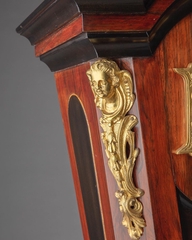
This Renaissance Revival pedestal exhibits both veneering and marquetry.
This image was posted on July 03, 2019.
#victorianpedestals #victorian #pedestals #victorianfurniture #victoriana #design #decorativeart #interiorstyle