
loading image

European immigrants from Germanic-speaking parts of Europe began settling in southeastern Pennsylvania in the late seventeenth century. In Europe, most of these industrious immigrants were peasants, artisans, and small farmers. Although agriculture served as the major industry, many people worked as farmer-craftsmen in the new world. Because Pennsylvania Germans lived in isolated, rural communities, they maintained strong cultural traditions for over two hundred years. During this time, Pennsylvania German folk art flourished. Woodworking, carving, and whittling were commonly practiced by males in Pennsylvania Germans communities prior to the Industrial Revolution. Men often made items of furniture for their homes, such as this chair, which is embellished with a heart—a beloved Pennsylvania German motif. Stool courtesy of the collection of the Landis Valley Village and Farm Museum, Pennsylvania Historical and Museum Commission. See "#AmericanFolkArt: An Enduring Legacy", on display, pre-security, in the International Terminal. http://bit.ly/AmericanFolkArt
This image was posted on December 27, 2017.
Similar Instagram posts
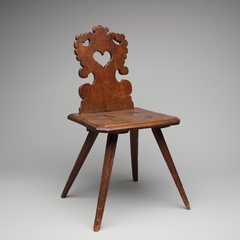
European immigrants from Germanic-speaking parts of Europe began settling in southeastern Pennsylvania in the late seventeenth century.
This image was posted on December 27, 2017.
#americanfolkart #folkart #pennsylvaniagerman #pennsylvaniagermanfolkart #pennsylvania #american #history #americana #folkartfun #antique #vintage #antiquefolkart #vintagefolkart #design #folkartdesign #folkarts #furniture #woodworking
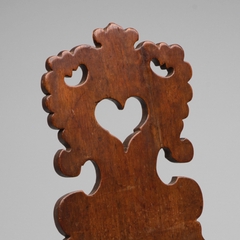
European immigrants from Germanic-speaking parts of Europe began settling in southeastern Pennsylvania in the late seventeenth century.
This image was posted on December 27, 2017.
#americanfolkart #folkart #pennsylvaniagerman #pennsylvaniagermanfolkart #pennsylvania #american #history #americana #folkartfun #antique #vintage #antiquefolkart #vintagefolkart #design #folkartdesign #folkarts #furniture #woodworking
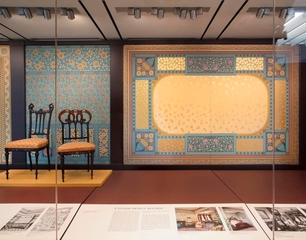
Christian Herter (1839–83) arrived in New York from Germany in 1859 and became a full partner in his brother Gustave’s firm in 1864, forming Herter Brothers.
This image was posted on May 25, 2022.
#victorianpaperedwall #wallpaper #wallpaperwednesday #design
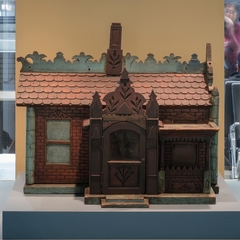
Many amateur craftsmen created unique folk houses and other architectural buildings from the mid-1800s to the early-1900s.
This image was posted on May 04, 2018.
#americanfolkart #folkart #american #history #americana #antique #vintage #design #folkarts #architecture #fairytale #house
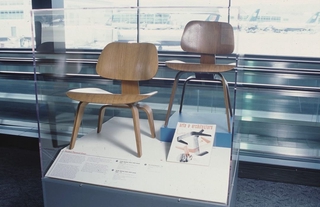
In honor of our 40th anniversary, every week this year we are highlighting one of our past exhibitions.
This image was posted on September 10, 2020.
#museumfromhome #sfomat40 #eames #design
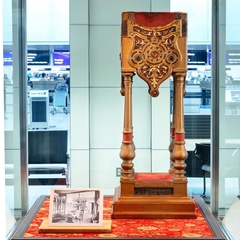
Louis Comfort Tiffany (1848–1933) left a prodigious mark on American glass and decorative arts during his career that spanned nearly fifty years.
This image was posted on August 14, 2019.
#victorianpedestals #victorian #pedestals #victorianfurniture #victoriana #design #decorativeart #interiorstyle #louiscomforttiffany #tiffany
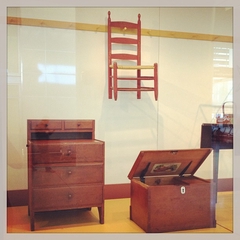
#Shaker furniture was initially made to for community dwellings; high quality craftsmanship made them popular w/ the outside world.
This image was posted on April 15, 2013.
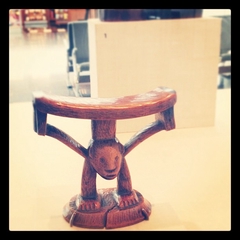
For the Shona, headrests were intimate personal items, buried with owners or passed on to descendants.
This image was posted on June 21, 2012.