
loading image

People have used devices to measure the wind since ancient times. A sudden change in the direction of the wind, combined with prevailing weather conditions, could help determine the forecast. American colonists, using technological skills brought with them from Europe, began crafting weathervanes during the seventeenth century. Eventually, each village, town, and city displayed a weathervane atop its highest building. Early weathervanes were carved from wood or fabricated from various metals. As greater numbers of farmers and settlers moved to rural areas, weathervanes appeared more frequently on the tops of individual homes and barns. Regardless of the pictorial theme, a weathervane was adhered to a cross-shaped, hollow-metal rod with the vertical section serving as its pivot point. Directional arrows marked with the letters N, S, E, W, were then added. Weathervane courtesy of the collection of the Landis Valley Village and Farm Museum, Pennsylvania Historical and Museum Commission. See "#AmericanFolkArt: An Enduring Legacy", on display, pre-security, in the International Terminal. http://bit.ly/AmericanFolkArt
This image was posted on January 04, 2018.
Similar Instagram posts
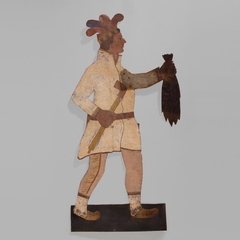
Armed with a new sense of patriotism following the Revolutionary War, farmers and settlers produced a variety of uniquely American weathervanes.
This image was posted on May 23, 2018.
#americanfolkart #folkart #weathervane #nativeamerican #native #history #americana #antique #vintage #design #folkart #pennsylvaniagerman
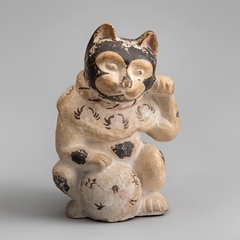
This unusual style of beckoning cat comes from the Hanamaki kilns in northern Japan.
This image was posted on April 21, 2018.
#beckoningcats #manekineko #catsofinstagram #cats #neko #meow #mewseum #japan #mingei #japanese #pottery #ceramics #caturday
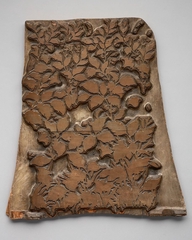
Zuber et Cie currently produces fourteen scenic wallpaper sets using original antique printing blocks.
This image was posted on October 23, 2019.
#zuberscenicwallpaper #wallpaper #zuber #scenicwallpaper #interiordesign #museum #design
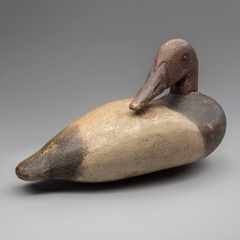
From coast to coast, regions of North America developed distinctive types of hand-carved duck decoys.
This image was posted on March 01, 2018.
#americanfolkart #folkart #american #history #americana #folkartfun #antique #vintage #antiquefolkart #vintagefolkart #design #folkartdesign #folkarts #folkartantiques #folkartantique #duckdecoys
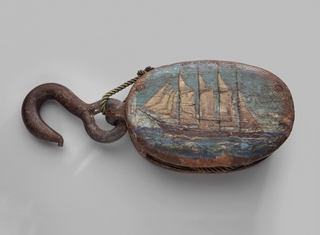
For centuries, people have traveled the seas exploring new territories, engaging in trade, fishing, and whaling.
This image was posted on March 09, 2018.
#americanfolkart #folkart #american #history #americana #maritime
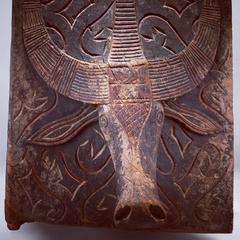
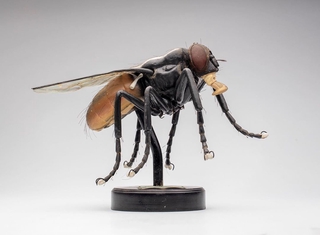
The house fly (Musca domestica), well known throughout the world, was named by Carl Linnaeus in 1758 as part of his Systema Naturae series of publications.
This image was posted on July 18, 2019.
#intriguinginsects #worldofinsects #insects #entomology #berkeley #ucberkeley #flies #fly #housefly
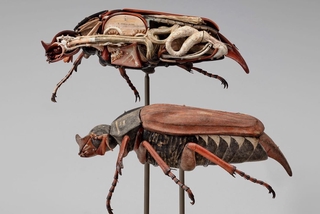
The cockchafer beetle (Melolontha melolontha Linnaeus, 1758) is a well-known plant pest in Europe, and one of the first beetle species named by Carl von Linné (a.k.a. Linnaeus), the Swedish biologist who created the binomial system for naming species.
This image was posted on June 13, 2019.
#intriguinginsects #worldofinsects #insects #entomology #berkeley #ucberkeley #cockchaferbeetle #beetle #bugs #linnaeus