
@SFOMuseum Twitter Posts Tagged intriguinginsects This is SFO Museum's archive of the @SFOMuseum Twitter account. There are 69 posts and this is page 3 of 6. See all the tags or all the Twitter posts that have been archived so far.
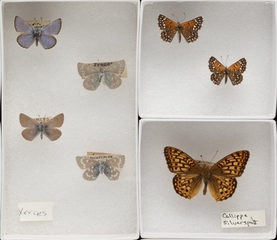
The Xerces blue butterfly, first described in 1852, once graced the sand dunes of San Francisco’s shoreline, but went extinct in the 1940s as a result of urban development. #IntriguingInsects
This tweet was posted on August 21, 2019.
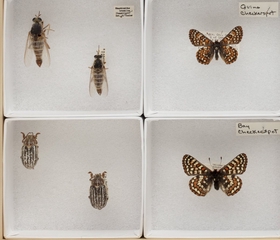
Lists of endangered and extinct insects are always dominated by butterflies. Small gossamer-wing butterflies in particular are often limited to open habitats in small geographic ranges with very specific food plant requirements. #IntriguingInsects
This tweet was posted on August 21, 2019.
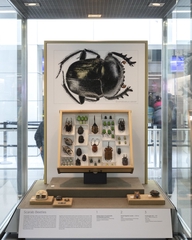
See “The Intriguing World of Insects” on display, pre-security, in the International Terminal. https://t.co/McPBuP0ipz #IntriguingInsects
This tweet was posted on August 15, 2019.
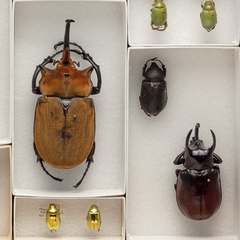
Dung beetles are responsible for recycling nutrients and preventing animal waste from building up. In places where cows and other large mammals are not native, dung beetles have been purposely introduced to help control their waste. #IntriguingInsects
This tweet was posted on August 15, 2019.
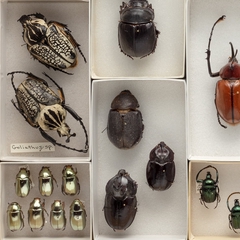
Dung beetles, June bugs, chafers, and scarabs all belong to the beetle family Scarabaeidae. They all have lamellate antennae, which means the ends of their antennae can spread like fingers. #IntriguingInsects
This tweet was posted on August 15, 2019.
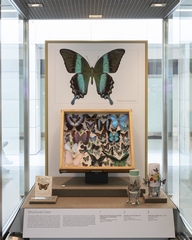
See “The Intriguing World of Insects” on display, pre-security, in the International Terminal. https://t.co/McPBuP0ipz #IntriguingInsects
This tweet was posted on August 07, 2019.
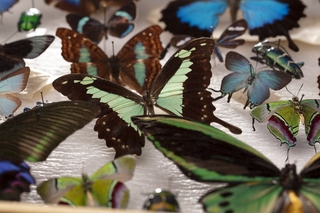
On the surface of insects, the different wavelengths (colors) of light can bounce or refract within nano-structures on the insect's surface, allowing only the blue wavelengths to escape. #IntriguingInsects
This tweet was posted on August 07, 2019.
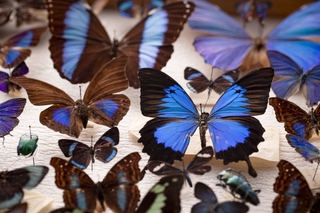
Blue pigments are incredibly rare in nature. #IntriguingInsects
This tweet was posted on August 07, 2019.
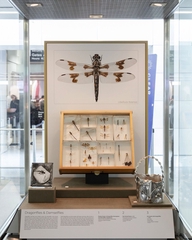
See “The Intriguing World of Insects” on display, pre-security, in the International Terminal. https://t.co/McPBuOIH0Z #IntriguingInsects
This tweet was posted on July 30, 2019.
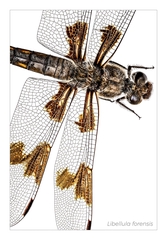
Dragonflies legs are lined with spikes, allowing them to capture and eat their prey while flying. Young dragonflies, called nymphs or naiads, are aquatic predators, living in ponds, lakes, streams, and rivers.
#IntriguingInsects
This tweet was posted on July 30, 2019.
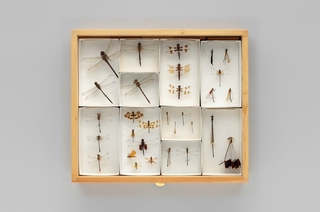
Dragonflies were among the first insects to evolve wings around 325 million years ago. Adult dragonflies are aerial acrobats with large round eyes, able to hover or fly in any direction and even mate on-the-wing. They can fly at speeds up to 35 miles per hour. #IntriguingInsects
This tweet was posted on July 30, 2019.
WOW! These are spectacular! Thanks so much for stopping by! We really appreciate you for sharing your drawings! https://t.co/McPBuOIH0Z #IntriguingInsects https://t.co/xDUU7lti1o
This tweet was posted on July 25, 2019.