
loading image

The Link Flight Trainer played an important role in the development of commercial aviation. Patented in 1931 by inventor and private pilot, Edwin A. Link, Jr., of Huntington, Indiana, early sales were mostly to amusement parks for use as carnival rides. Link, who had worked in his father’s piano and organ company, used a bellows and vacuum mechanism located in the base similar to automatic musical instruments of the period. This enabled the miniaturized fuselage to mimic climbing, diving, and banking in response to the trainee’s use of the control column and pedals. Instrument flying was taught with the canopy closed, and the pilot’s efficiency in following a set course was recorded and graded by a plotting device at the instructor’s desk. The U.S. Army Air Corps purchased six units in 1934, and airlines then began showing interest as well. United Air Lines purchased two Link Flight Trainers in 1934 for their pilots at the Boeing School of Aeronautics in Oakland, California. By the end of World War II, Link’s company had sold over 10,000 of his “blue box” trainers. His early models provided safe instruction and advanced skills development for over half a million aviators. Have you ever seen a link trainer?
This image was posted on November 07, 2023.
Similar Instagram posts
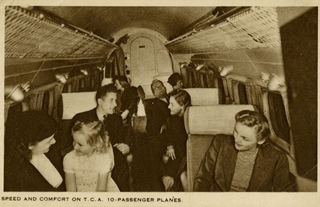
Have you flown on Air Canada?
This image was posted on April 10, 2020.
#museumfromhome #tca #aircanada #canada #avgeek
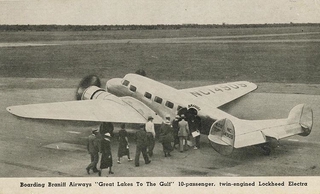
The Lockheed Electra 10, built and designed to compete with the Boeing 247 and the Douglas DC-2, made its first flight #onthisday in 1934.
This image was posted on February 23, 2017.
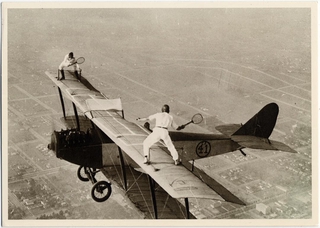
In the 1920s, barnstorming was a popular form of entertainment.
This image was posted on October 10, 2018.
#womeninaviation #avgeek #barnstorming #ivanunger #gladysroy #1920s #tennis #biplane #stuntpilots #aerialists #wingwalking #playingsports #stunts #barnstormer
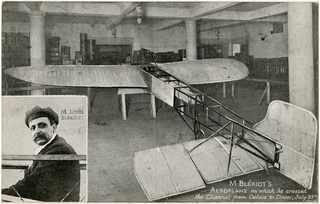
#Onthisday in 1909, Louis Blériot successfully landed his plane in Dover, England, after flying from Calais, France.
This image was posted on July 25, 2019.
#blériot #earlyaviation #avgeek #aviationhistory
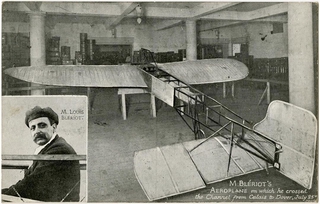
Designed by Louis Blériot and Raymond Saulnier, the Blériot XI monoplane took off on its maiden flight #onthisday in 1909.
This image was posted on January 23, 2020.
#avgeek #blériotxi #blériot #postcard
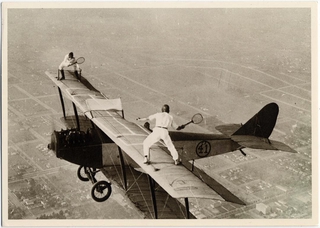
In the early days of aviation, barnstorming was a popular entertainment event.
This image was posted on February 18, 2017.

This image was posted on August 16, 2016.
#avgeek
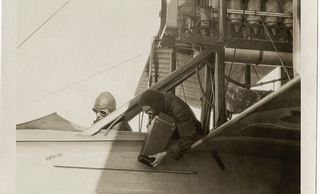
Stanley Henry Page (1885-1964) was an early twentieth-century San Francisco Bay Area engineer who, like many young men of his generation, was inspired by the new technologies of flight.
This image was posted on October 04, 2019.
#stanleyhenrypage #avgeek #sanfrancisco #photography #sfhistory #aerialphotography
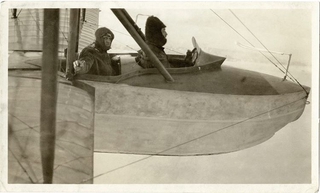
Stanley Henry Page (1885-1964) was an early twentieth-century San Francisco Bay Area engineer who, like many young men of his generation, was inspired by the new technologies of flight.
This image was posted on October 04, 2019.
#stanleyhenrypage #avgeek #sanfrancisco #photography #sfhistory #aerialphotography
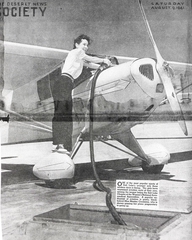
In the 1940s, young aviatrix, Maxine Crookston (Schmidt) was photographed gassing up her single engine airplane.
This image was posted on September 20, 2017.
#womeninaviation #airtraffic #avgeek #avationgeek #aviation #aviationhistory #earlyaviation #aviationlovers #vintageaviation #history #avhistory #aviationgeeks #instaplane #flying #plane #flight #airline #avgeeks #aviation4u #aviationdaily