
loading image

The pineapple contains extraordinarily fine, yet incredibly strong fibers. The leaves grow up to sixty inches in length and produce equally long fibers. The manufacture of pineapple fibers into cloth in the Philippines is a centuries-old enterprise that remains virtually unchanged, despite efforts to mechanize the industry. Today, small farmers in the Aklan province continue to supplement their incomes by growing pineapple for the cultivation of textile fiber. Traditionally, mature leaves are harvested by hand. After the thorny strip is removed from each side, the leaf is laid upon a board and scraped, often with a broken plate, to remove the pulp and reveal the fiber. Coarse white fibers called bastos are peeled away and used to make twine. An additional scraping produces liniwan fibers, which are more delicate than human hair and saved to craft piña. Craftspeople gently wash the fibers under running water or in a stream or river to prevent tangles. Any remaining pulp is removed, and the fibers are then dried in the sun. Shorter or damaged fibers are carefully extracted from the bundle. See "From Pineapple to Piña: A Philippine Textile Treasure" on display, post-security, in Harvey Milk Terminal 1 and online at: https://bit.ly/PineappletoPina
This image was posted on July 12, 2022.
Similar Instagram posts
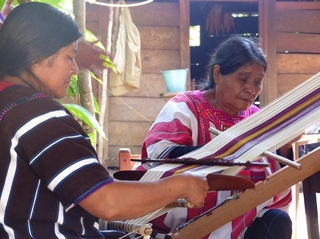
Weaving Display by Mayan Artisan on Saturday, March 10th, at 4:15pm San Francisco International Airport • International Terminal • FREE Pre-Security at the rear of the Main Hall Departures Lobby In conjunction with the exhibition Empowering Threads: Textiles of Jolom Mayaetik, SFO Museum is proud to present a live display of backstrap loom weaving by Elvia Gómez López, president of Cooperativa Jolom Mayaetik in San Cristóbal de las Casas, Chiapas, Mexico.
This image was posted on March 07, 2018.
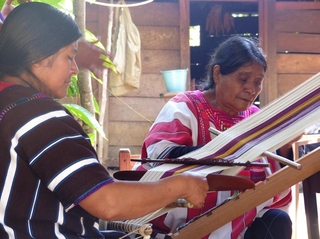
Women from Chiapas have woven on backstrap looms for centuries.
This image was posted on September 27, 2017.
#mayantextiles #textile #textiles #mayan #mexico #mexican #mexicanhistory #mayanhistory #empoweringthreads #jolommayaetik #weavers #weaving #blouses #huipiles #looms #backstraploom #mayanculture #handwoven #sewing #cooperativa #artesanaschiapanecas #chiapas #cojinesartesanales #artesanias #empoweringwomen #socialmission
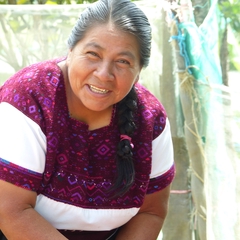
Weavers keep sample textiles known as muestras as a reference to symbols and designs.
This image was posted on January 30, 2018.
#empoweringthreads #mayantextiles #textile #textiles #mayan #mexico #mexican #mexicanhistory #mayanhistory #jolommayaetik #weavers #weaving #blouses #huipiles #looms #backstraploom #mayanculture #handwoven #sewing #cooperativa #artesanaschiapanecas #chiapas #cojinesartesanales #artesanias #empoweringwomen
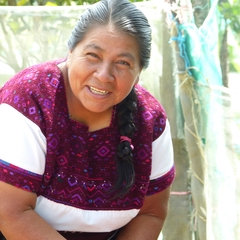
On display in the International Terminal is "Empowering Threads: Textiles of Jolom Mayaetik."
This image was posted on February 27, 2018.
#empoweringthreads #mayantextiles #textile #textiles #mayan #mexico #mexican #mexicanhistory #mayanhistory #jolommayaetik #weavers #weaving #blouses #huipiles #looms #backstraploom #mayanculture #handwoven #sewing #cooperativa #artesanaschiapanecas #chiapas #cojinesartesanales #artesanias #empoweringwomen
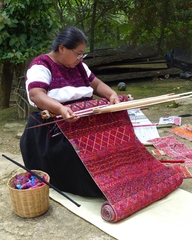
Located north of San Cristóbal de Las Casas in Los Altos de Chiapas, San Andrés Larráinzar is home to a vibrant community of weavers.
This image was posted on October 05, 2017.
#mayantextiles #textile #textiles #mayan #mexico #mexican #mexicanhistory #mayanhistory #empoweringthreads #jolommayaetik #weavers #weaving #blouses #huipiles #looms #backstraploom #mayanculture #handwoven #sewing #cooperativa #artesanaschiapanecas #chiapas #cojinesartesanales #artesanias #empoweringwomen #socialmission #womeninart
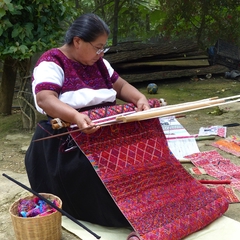
On display in the International Terminal is "Empowering Threads: Textiles of Jolom Mayaetik."
This image was posted on February 27, 2018.
#empoweringthreads #mayantextiles #textile #textiles #mayan #mexico #mexican #mexicanhistory #mayanhistory #jolommayaetik #weavers #weaving #blouses #huipiles #looms #backstraploom #mayanculture #handwoven #sewing #cooperativa #artesanaschiapanecas #chiapas #cojinesartesanales #artesanias #empoweringwomen
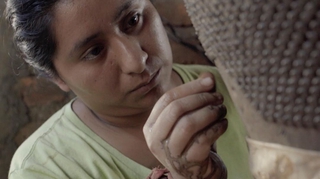
NOW PLAYING: From the filmmaker’s documentary series on craft methods employed in the state of Michoacán, artisan Carlos Hernández and three generations of his family demonstrate their method for producing exquisite pottery in the town of San José de Gracia.
This image was posted on August 26, 2019.
#videoartssfom #film #video #mexico #mexican #handcraft #pottery #marianorenteríagarnica #michoacán