
loading image

Gas-heated curling irons were commonplace at the turn of the twentieth century. German-born Karl Ludwig Nessler (1872–1951, pictured) patented the first electric permanent wave machine, which hung like a chandelier with rods attached to it, in London in 1909, before emigrating to the United States in 1915. The apparatus required a combination of heat and chemicals. The process was time consuming and costly. It also posed dangers from burns and hair damage in the hands of inexperienced operators. Millions of women across the country had permanent waves during the 1930s. By the 1940s, manufacturers began to offer far less cumbersome cold-wave perms. Miss America, Norma Smallwood, receives a permanent wave, 1926
Library of Congress, Prints and Photographs Division, Washington, D.C.
LC-DIG-ppmsca-51089
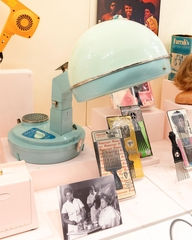
R2020.0411.001 on display: permanent wave machine, c. 1940
Courtesy of Jeff Hafler, Beauty Bubble Salon and Museum L2020.0401.008
This image was posted on January 21, 2021.
Similar Instagram posts
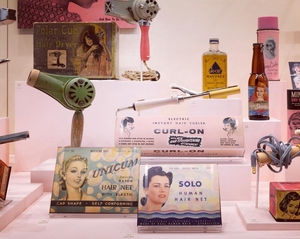
Women have worn hairnets for centuries for reasons including aesthetics, protecting hairstyles, and sanitary purposes.
This image was posted on April 23, 2021.
#hairstyle #hair #hairnet #style
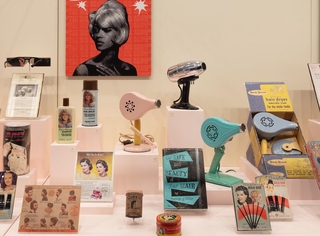
While sitting in the salon (perhaps for the first time in over a year) have you ever wondered how blowout styling started?
This image was posted on March 22, 2021.
#hairstyle #hair #beauty #blowout #blowstyles #hairdryer
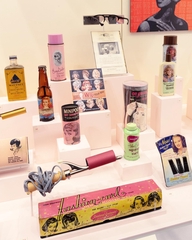
“No longer a fad or high fashion fantasy for the privileged few, the wig and the hairpiece are here to stay,” wrote Dorothea Zack Hanle in the 1964 publication Hairdo Handbook.
This image was posted on February 11, 2021.
#hairstyle #hair #beauty #wig #wigs
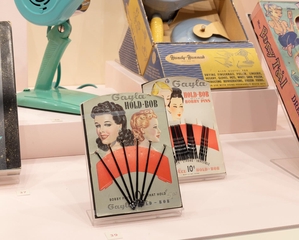
Did you know that the humble bobby pin originated in the Bay Area?
This image was posted on March 15, 2021.
#hairstyle #hair #bobbypins #sfhistory