
loading image

Navigating the Pacific Ocean by air was a technological feat in the 1930s. Pan American pilots used a process called dead reckoning, which involved calculating a position based on a previously determined position, or fix, using data such as speed, elapsed time, and wind drift. Wind drift was calculated by dropping a glass or ceramic drift marker overboard. Filled with metallic powder, it created a highly visible slick on the ocean surface. This fixed point was viewed through a drift meter to measure ground speed and sideways diversion from a crosswind that could then be calculated for a heading correction. A bubble sextant was used to sight stars from an observatory in the ceiling. Once a fix was determined, star charts were consulted to determine position. Pan American installed radio stations on the California coast and at island bases for its new Adcock Direction Finder, developed under chief communications engineer Hugo C. Leuteritz. Its 1,800-mile range was a major technological breakthrough and gave Pan American great advantages in air safety. Learn more about the China Clipper and early transpacific travel in "China Clipper" on display, pre-security, in the Aviation Museum and Library in the International Terminal. The Aviation Museum and Library is open daily 10am to 4:30pm. http://bit.ly/chinaclipper #ChinaClipper Crew of the first Sikorsky S-42 survey flight in Hawai’i, l-r, Radio Officer W.T. Jarboe Jr., Junior Flight Officer Harry R. Canaday, First Officer R.O.D. Sullivan, Captain Edwin C. Musick, Navigator Fred J. Noonan, Engineer Officer Victor A. Wright 1935 photograph San Francisco Airport Museums Pan American World Airways Archive 1993.11.25 R2010.2201.140
This image was posted on August 28, 2016.
Similar Instagram posts
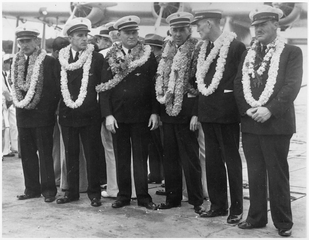
What was it like navigating open waters in an aircraft during the 1930s?
This image was posted on February 28, 2020.
#chinaclipper #navigation #avgeek
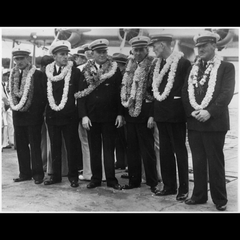
This Sunday is the 80th anniversary of the world’s first scheduled commercial airplane flight across an ocean!
This image was posted on November 20, 2015.
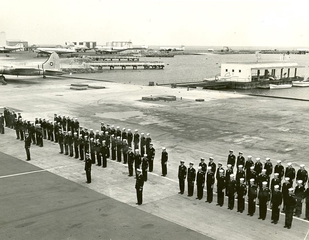
The modern-day Coast Guard was formed In 1915 by merging the U.S. Life Saving Service with the Revenue Cutter Service and placing it under the Department of the Treasury.
This image was posted on December 03, 2015.
This image was posted on January 13, 2016.
#womeninaviation
This image was posted on January 13, 2016.
#womeninaviation
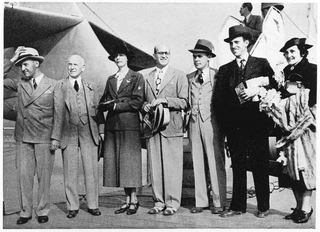
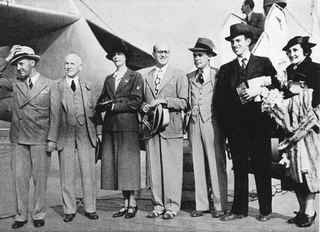
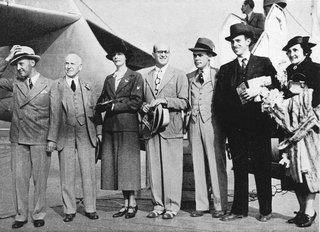
In a time when most airline passengers were men, Clara Adams was one of the most well-known passengers aboard aircraft in the early 20th century.
This image was posted on December 12, 2018.
#womeninaviation #claraadams #aviationhistory #panam #paa #panamerican #hawaiiclipper #traveller #1930s
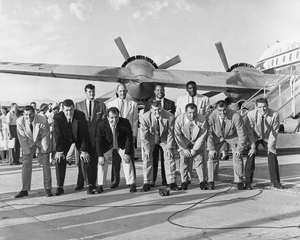
Our newest blog post is up and it showcases the intersection of Bay Area sports teams and aviation!
This image was posted on March 29, 2022.
#blog #museumlife #sports #avgeek #49ers #sfgiants #dubnation