
loading image

Kanji, or Japanese character writing, is based on Chinese script and shares many meanings and definitions. Officially published in the Jōyō Kanji, around 2,000 Chinese-based characters are listed for use in conjunction with a distinct, Japanese kana alphabet. In 1915, Japanese printer and inventor Kyota Sugimoto (1882–1972) patented a typewriter that printed in both Chinese and Japanese. Manufactured by the Nippon Typewriter Company, the machine featured a large, sliding tray with room for 2,450 individual type-slugs. A moving carriage assembly mounted over the tray contained the typing mechanism. To operate, the typist positioned the tray and carriage along an x–y axis to select a type-slug, and depressed a button to retrieve, ink, and print. Typewriter courtesy of Thomas S. Mullaney. Learn more about the typewriter in our exhibition, "The Typewriter: An Innovation in Writing", post-security, in Terminal 2. http://bit.ly/Thetypewriter
This image was posted on September 01, 2017.
Similar Instagram posts
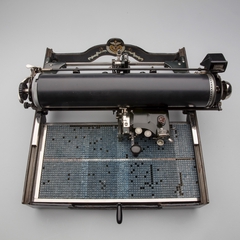
Kanji, or Japanese character writing, is based on Chinese script and shares many meanings and definitions.
This image was posted on September 01, 2017.
#thetypewriter #typewriter #typewriters #writing #industrialdesign #keyboard #keyboards #design #innovation #type #typing #typist #oldschool #writer #writing #vintagetypewriter #vintage #analog #antique #typewritten #typewriting #oldtypewriters #typewritersofinstagram #kanji #japanese #japan #japanesetypewriter #nippon #typeslugs
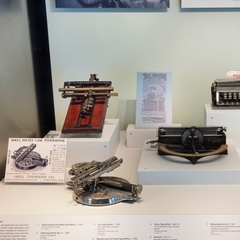
In the 1890s, the cost of a new, full-size typewriter was more than the average American earned in one month.
This image was posted on August 15, 2017.
#thetypewriter #typewriter #typewriters #writing #industrialdesign #qwerty #keyboard #keyboards #design #innovation #type #typer #typing #oldschool #writer #writing #vintagetypewriter #vintage #analog #coronatypewriter #antique #typewritten #typed #typewriting #oldtypewriters #typewritersofinstagram #indextypewriters #odelltypewriter #victortypewriter
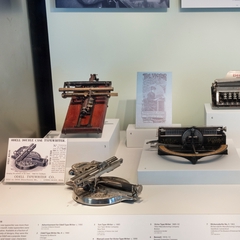
In the 1890s, the cost of a new, full-size typewriter was more than the average American earned in one month.
This image was posted on August 15, 2017.
#thetypewriter #typewriter #typewriters #writing #industrialdesign #qwerty #keyboard #keyboards #design #innovation #type #typer #typing #oldschool #writer #writing #vintagetypewriter #vintage #analog #coronatypewriter #antique #typewritten #typed #typewriting #oldtypewriters #typewritersofinstagram #indextypewriters #odelltypewriter #victortypewriter
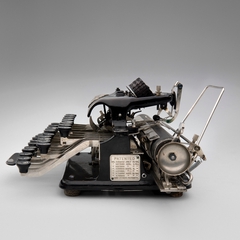
George C. Blickensderfer (1850–1917) introduced the first portable typewriter with a full keyboard in 1893.
This image was posted on October 19, 2017.
#thetypewriter #typewriter #typewriters #industrialdesign #qwerty #keyboard #keyboards #design #innovation #type #typer #typing #typist #oldschool #instagood #writer #writing #vintagetypewriter #vintage #analog #antique #typewritten #typed #typewriting #oldtypewriters #typewritersofinstagram #blickensderfer
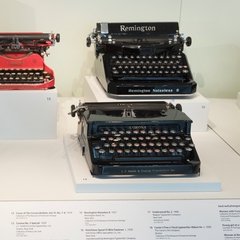
In the mid-1930s, L.C.
This image was posted on August 03, 2017.
#thetypewriter #typewriter #typewriters #writing #industrialdesign #qwerty #keyboard #keyboards #cute #animalkeys #animals #design #innovation #type #typer #typing #typist #oldschool #instagood #writer #writing #vintagetypewriter #vintage #analog #coronatypewriter #antique #typewritten #typed #typewriting #oldtypewriters #typewritersofinstagram
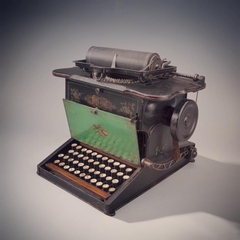
The Sholes & Glidden Type Writer ushered in a new era of communication technology.
This image was posted on May 19, 2017.
#thetypewriter #typewriter #writing #sholesglidden #sholes #glidden #innovation #keyboards #characters #typebars #letters #typography #graphicdesign #vintage #history #victorian #qwerty
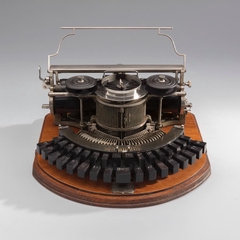
During the 1880s, a multitude of patents for new typewriter designs were introduced.
This image was posted on June 07, 2017.
#typewriter #history #design #hammond #hammondtypewriter
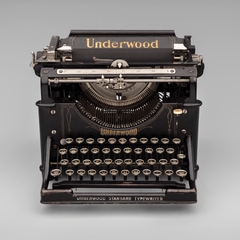
In 1896, Franz Xaver Wagner (1837–1907) introduced a machine that provided the blueprint for modern typewriters used in offices throughout the world.
This image was posted on December 01, 2017.
#thetypewriter #typewriter #typewriters #industrialdesign #qwerty #keyboard #keyboards #design #innovation #type #typer #typing #typist #oldschool #instagood #writer #writing #vintagetypewriter #vintage #analog #antique #typewritten #typed #typewriting #oldtypewriters #typewritersofinstagram