
loading image

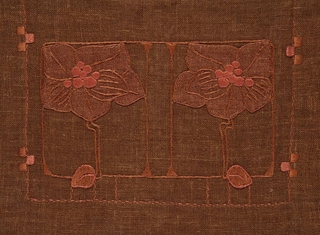
Most women at the height of the Arts and Crafts movement had some knowledge of how to embroider. Favorite motifs on embroidered textiles included butterflies and dragonflies, as well as stylized flowers—from poppies to nasturtiums, irises, and marigolds. Bags of all kinds were embroidered—from pocketbooks to shirt bags and pouches that held slippers or collars and cuffs. Improvements in printing technologies allowed for a proliferation of women’s publications and catalogs. Embroidery floss companies published many of these periodicals, which they filled with embroidery patterns for all manner of items. Patterns were typically bound into magazines so the reader could simply remove them for use in embroidering a purse, throw pillow, or any number of household items. All objects are courtesy of Dianne Ayres & Tim Hanson - Arts & Crafts Period Textiles. Learn more about Arts and Crafts in "At Home with #ArtsandCrafts" on display pre-security, in the International Terminal. http://bit.ly/SFOArtsandCrafts
This image was posted on September 12, 2017.
Similar Instagram posts
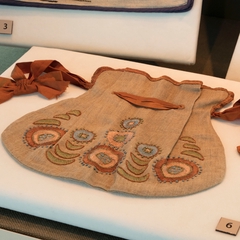
Most women at the height of the Arts and Crafts movement had some knowledge of how to embroider.
This image was posted on September 12, 2017.
#sfoartsandcrafts #artsandcraftsmovement #artsandcraftsstyle #craftsmanstyle #craftsmanhome #bungalowstyle #embroidery #purses #throwpillows #dresses #aprons #flowers #embroider #embroidered #butteryflies #dragonflies
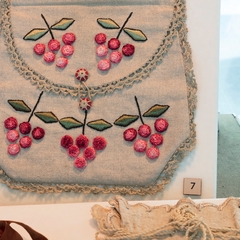
Most women at the height of the Arts and Crafts movement had some knowledge of how to embroider.
This image was posted on September 12, 2017.
#sfoartsandcrafts #artsandcraftsmovement #artsandcraftsstyle #craftsmanstyle #craftsmanhome #bungalowstyle #embroidery #purses #throwpillows #dresses #aprons #flowers #embroider #embroidered #butteryflies #dragonflies
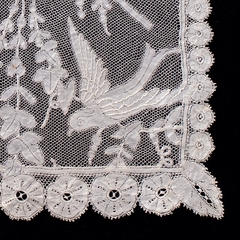
This image was posted on February 03, 2014.
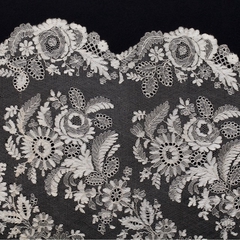
#lace
Gustav Stickley (1858–1942), leading proponent of the American Arts and Crafts movement in the United States, was born to first-generation, German-immigrant parents in Wisconsin.
This image was posted on August 20, 2017.
#sfoartsandcrafts #artsandcraftsmovement #artsandcraftsstyle #craftsmanstyle #craftsmanhome #bungalowstyle #textiles #embroidery #embroidered #appliqué #appliquéd #tablescarves #tablescarf #wallhangings #wallhanging #wood #wooden #fabric #gustavstickley #stickley #newyork #syracuse
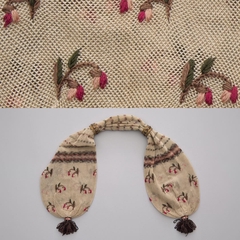
The earliest purses in our Essential Style exhibition date from the eighteenth century.
This image was posted on February 03, 2016.