
loading image

Molded plastics allowed for innovative and modern styling in radio design. Early plastics included Plaskon, the tradename for a urea formaldehyde, molded plastic developed by the Toledo Scale Company in 1929. Plaskon could be dyed and was manufactured in white and a variety of bright colors. This radio is courtesy of Steve Kushman. "On the Radio" is on display, post-security, in Terminal 3. http://bit.ly/RadioSFO
This image was posted on April 17, 2018.
Similar Instagram posts
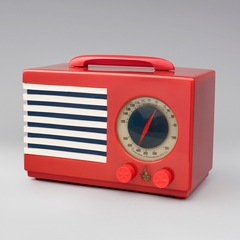
Described by Fortune magazine in 1936 as “the gaudy brother of somber Bakelite,” Catalin, the trade name for a cast-phenolic plastic made in a variety of brilliant colors, was first used to make smaller items such as bracelets, chess pieces, and buckles.
This image was posted on May 10, 2018.
#radiosfo #catalin #plastics #bakelite #resin #ontheradio #radio #radios #wireless #vintage #antique #vintageradio #portableradio #retroradio #retro #normanbelgeddes #modernism #design
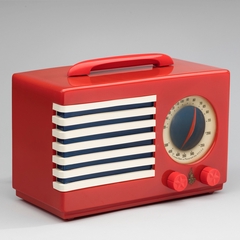
Described by Fortune magazine in 1936 as “the gaudy brother of somber Bakelite,” Catalin, the trade name for a cast-phenolic plastic made in a variety of brilliant colors, was first used to make smaller items such as bracelets, chess pieces, and buckles.
This image was posted on May 10, 2018.
#radiosfo #catalin #plastics #bakelite #resin #ontheradio #radio #radios #wireless #vintage #antique #vintageradio #portableradio #retroradio #retro #normanbelgeddes #modernism #design
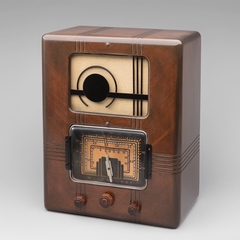
Think back to a time when families would gather around the radio to hear the news, weather, and their favorite radio programs.
This image was posted on May 14, 2018.
#radiosfo #ontheradio #radio #radios #wireless #vintage #antique #vintageradios #transistorradio #portableradio #retroradio #retro #design
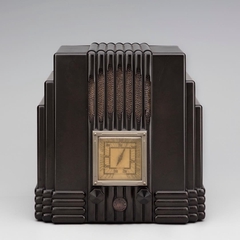
Bakelite was the first plastic used to make radio cases, allowing for sleek, modern designs not possible with wooden construction.
This image was posted on April 12, 2018.
#ontheradio #radiosfo #radio #radios #wireless #vintage #antique #vintageradios #transistorradio #portableradio #retroradio #retro #bakelite #artdeco
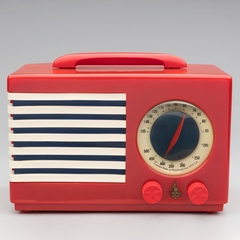
Described by Fortune magazine in 1936 as “the gaudy brother of somber Bakelite,” Catalin, the trade name for a cast-phenolic plastic made in a variety of brilliant colors, was first used to make smaller items such as bracelets, chess pieces, and buckles.
This image was posted on May 10, 2018.
#radiosfo #catalin #plastics #bakelite #resin #ontheradio #radio #radios #wireless #vintage #antique #vintageradio #portableradio #retroradio #retro #normanbelgeddes #modernism #design
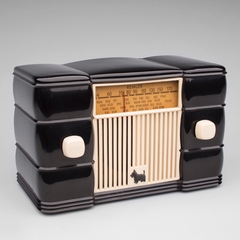
The Remler Company manufactured radio receivers in downtown San Francisco for more than three decades.
This image was posted on May 01, 2018.
#radiosfo #ontheradio #radio #radios #wireless #vintage #antique #vintageradios #transistorradio #portableradio #retroradio #retro #sfhistory
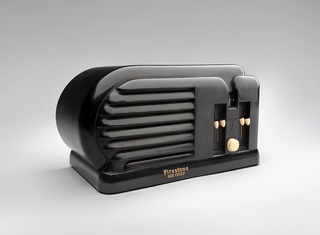
During the 1930s and ‘40s, as new forms of entertainment were electronically transmitted along radio waves from venues and broadcast stations to the public in their homes, the streamline designs of radios further conveyed the idea of technological progress.
This image was posted on May 28, 2019.
#streamlinesaesthetics #streamline #design #industrialdesign #avgeek
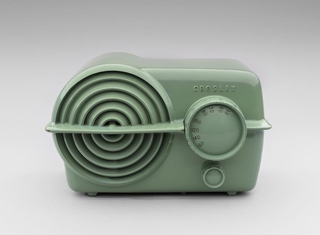
Bakelite was the first molded plastic used to make radio housings, produced in unfinished brown Bakelite, or with painted coatings that were prone to scratches and paint loss.
This image was posted on October 11, 2018.
#radiosfo #ontheradio #radio #radios #wireless #vintage #antique #vintageradios #bakelite #portableradio #retroradio #retro