
loading image

The Stinson Model A was one of the last commercial airliners produced in the United States with a steel-tube and fabric fuselage. Although the design was already outdated by the time it was introduced in 1935, it was still a relatively successful short-range, medium-capacity, tri-motor airliner. With a cruising speed of over 160 miles per hour, it was one the fastest tri-motor airliners available at the time and nearly as fast as the Douglas DC-2, which was introduced a year earlier. During the mid-1930s, it was primarily operated by American Airlines on the carrier’s five-stop Detroit–Chicago route, and later, the Washington D.C.–Chicago route. Other operators in the U.S. included Delta Air Lines and Central Airlines. See "Aviation Evolutions: The Jim Lund 1:72 Scale Model Airplane Collection", which features more than 200 models, on display, pre-security, in the Aviation Museum. http://ow.ly/bl8650jjq5O
This image was posted on October 03, 2018.
Similar Instagram posts
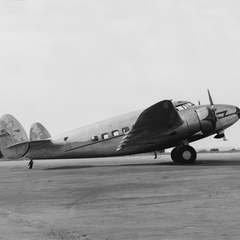
The Lockheed Model 12 Electra was similar to the Model 10 Electra in design, but smaller and faster.
This image was posted on April 26, 2018.
#aviationevolutions #jimlund #lockheed #electra #continental #avgeek #avationgeek #aviation #aviationhistory #aviationlovers #vintageaviation #history #avhistory #aviationgeeks #instaplane #flying #modelplane #flight #airline #avgeeks #aviation4u #aviationdaily #modelaircraft #airplane #aircraft
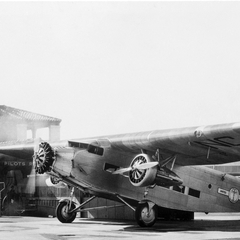
In the late 1920s, airline passenger seats needed to be light, yet strong, durable, and sufficiently comfortable to sit in for long hours.
This image was posted on July 28, 2017.
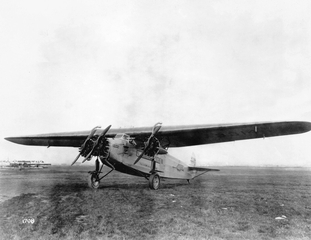
Early airlines, especially in the 1920s and 1930s, struggled to turn a profit without a lucrative airmail route contract.
This image was posted on October 19, 2022.
#paa #panamerican #panam #avgeek #aviationhistory
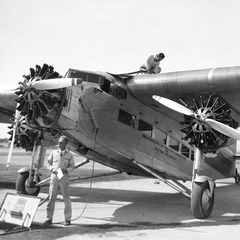
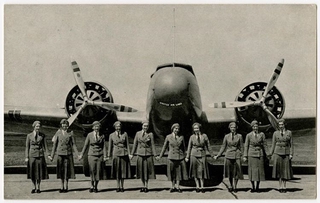
In the early 1930s, Boeing Aircraft and United Air Lines worked together to produce a remarkable aircraft that revolutionized air travel, the Boeing 247.
This image was posted on August 02, 2017.

The all-metal, twin-engine Boeing Model 247 was a revolutionary airplane when introduced in 1933.
This image was posted on June 05, 2018.
#jimlund #avgeek #avationgeek #aviation #aviationhistory #vintageaviation #history #avhistory #aviationgeeks #modelplane #avgeeks #modelaircraft #airplane #aircraft
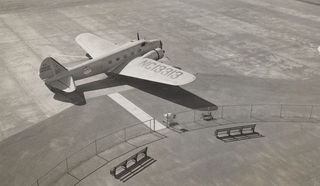
The first flight of the Boeing Model 247 took place #onthisday in 1933.
This image was posted on February 07, 2020.
#boeing #avgeek #united #airliner #aviationhistory
This post mentions the following things involved with the SFO Museum collection:
Aviation Evolutions: The Jim Lund 1:72 Scale Model Airplane Collection
This aviation exhibition was on display between September 2017 and March 2019 in the AML Aviation Museum Gallery 01 gallery, located in International Terminal