
loading image

The Hughes H-4 flying boat, also known as the “Spruce Goose,” was designed and built by the Hughes Aircraft Company as an ultra-large, transoceanic military transport for use during World War II. The massive flying boat was the largest all-wood airplane built. It was intended to transport as many as 750 troops to the European or Pacific theaters and avoid the submarines that were sinking hundreds of transport ships during the war. It was actually constructed primarily of birch due to restrictions on the use of aluminum during the war, and weight concerns for such a large aircraft. Numerous delays prevented it from being completed before the end of the war. Its first and only brief flight was conducted #onthisday in 1947, off the coast of San Pedro, California, with Howard Hughes at the controls, David Grant as copilot, and numerous engineers, flight crew, and representatives from the press on board. The only one of its kind ever built, the prototype now resides on display in the Evergreen Aviation Museum in Oregon. See "Aviation Evolutions: The Jim Lund 1:72 Scale Model Airplane Collection", which features more than 200 models, on display, pre-security, in the Aviation Museum. http://bit.ly/AviationEvolutions
This image was posted on November 02, 2018.
Similar Instagram posts
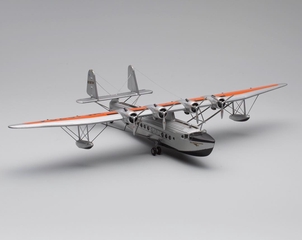
The Sikorsky S-42 was developed to meet the requirements of Pan American Airways’ president Juan T. Trippe for a large, long-range, trans-oceanic flying boat.
This image was posted on August 18, 2018.
#aviationevolutions #jimlund #sikorsky #chinaclipper #panam #panamerican #paa #avgeek #avationgeek #aviation #aviationhistory #vintageaviation #history #avhistory #aviationgeeks #modelplane #avgeeks #modelaircraft #airplane #aircraft #flyingboat
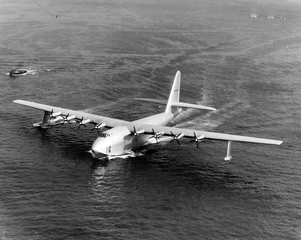
#Onthisday in 1947, Howard Hughes, decided to take the huge Hughes H-4 Hercules (nicknamed the Spruce Goose) on a test flight to prove it could fly.
This image was posted on November 02, 2017.
#sprucegoose #howardhughes #h4 #hercules #evergreen #avgeek #avationgeek #aviation #aviationhistory #aviationlovers #vintageaviation #history #avhistory #aviationgeeks #instaplane #flying #plane #flight #avgeeks #aviation4u #aviationdaily
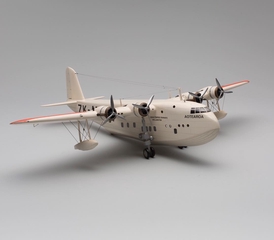
Introduced in the late 1930s, the British produced Short S.30 series of aircraft was a large-capacity double-deck flying boat.
This image was posted on April 13, 2018.
#aviationevolutions #jimlund #avgeek #avationgeek #aviation #aviationhistory #aviationlovers #vintageaviation #history #avhistory #aviationgeeks #instaplane #flying #modelplane #flight #airline #avgeeks #aviation4u #aviationdaily #modelaircraft #airplane #aircraft
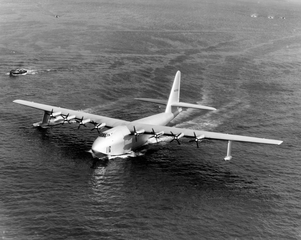
#Onthisday in 1947, Howard Hughes embarked on a test flight of the huge Hughes H-4 Hercules (nicknamed the Spruce Goose) to prove it could fly.
This image was posted on November 02, 2020.
#sprucegoose #howardhughes #avgeek #museumfromhome
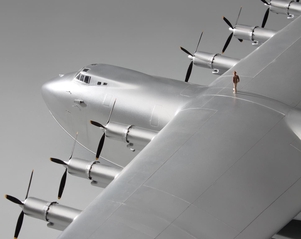
The Hughes H-4 Hercules flying boat, also known as the “Spruce Goose,” was designed and built by the Hughes Aircraft Company as an ultra-large, transoceanic military transport for use during World War II.
This image was posted on May 05, 2021.
#wingwednesday #avgeek #airplane #sprucegoose #howardhughes
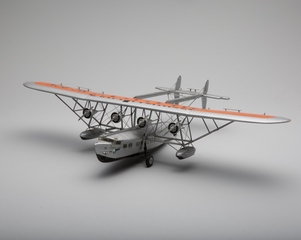
The Sikorsky S-40 was developed in response to requests from Pan American Airways’ president Juan T. Trippe for a high-capacity flying boat.
This image was posted on January 27, 2021.
#wingwednesday #avgeek #aviationhistory #sikorsky
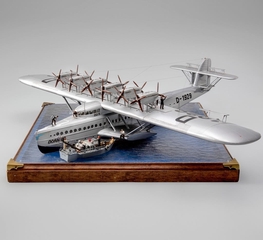
The Dornier Do X flying boat was the largest airplane built at the time of its introduction in 1929.
This image was posted on November 10, 2017.
#aviationevolutions #jimlund #avgeek #avationgeek #aviation #aviationhistory #aviationlovers #vintageaviation #history #avhistory #aviationgeeks #instaplane #flying #modelplane #flight #airline #avgeeks #aviation4u #aviationdaily #modelaricraft #airplane #aircraft
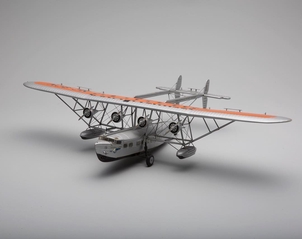
The Sikorsky S-40 was developed in response to requests from Pan American Airways’ president Juan T. Trippe for a high-capacity flying boat.
This image was posted on January 28, 2019.
#aviationevolutions #jimlund #avgeek #aviationgeek #aviation #aviationhistory #vintageaviation #history #aviationgeeks #modelplane #scalemodel #avgeeks
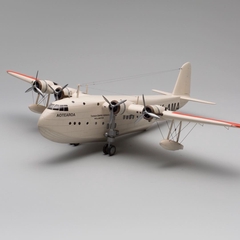
Introduced in the late 1930s, the British-produced Short S.30 series of aircraft was a large-capacity double-deck flying boat.
This image was posted on January 17, 2019.
#aviationevolutions #jimlund #avgeek #aviationgeek #aviation #aviationhistory #vintageaviation #history #aviationgeeks #modelplane #scalemodel #avgeeks #auckland #sydney #teal
This post mentions the following things involved with the SFO Museum collection:
Aviation Evolutions: The Jim Lund 1:72 Scale Model Airplane Collection
This aviation exhibition was on display between September 2017 and March 2019 in the AML Aviation Museum Gallery 01 gallery, located in International Terminal