
loading image

Renaissance Revival, the most ubiquitous furniture style following the Civil War, drew inspiration from the Renaissance of the fifteenth and sixteenth centuries as well as from the classical world. Nineteenth-century archaeological discoveries in Greece, Italy, and Egypt prompted designers to adapt and reinterpret designs and motifs from the past. Renaissance Revival’s rather masculine characteristics and grand scale make it easy to identify. Decorative elements took precedence over functionality. Mythical creatures, garlands, foliage, wild game, classical busts, scrolls, tassels, and portrait medallions appeared in high-relief carving. The incorporation of columns, pediments, and pilasters enhanced pieces. Gilded incising, marquetry, burled panels, wood veneering, ebonized wood, and marble tops commonly embellished pieces. Furniture was typically made with dark woods, such as walnut and rosewood. “The Style of Display: Victorian Pedestals” is on display pre-security in the International Terminal. http://bit.ly/VictorianPedestals
This image was posted on October 18, 2019.
Similar Instagram posts
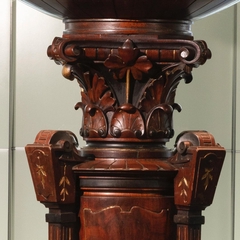
Renaissance Revival, the most ubiquitous furniture style following the Civil War, drew inspiration from the Renaissance of the fifteenth and sixteenth centuries as well as from the classical world.
This image was posted on October 18, 2019.
#victorianpedestals #victorian #pedestals #victorianfurniture #victoriana #design #decorativeart #interiorstyle #renaissancerevival #renaissance
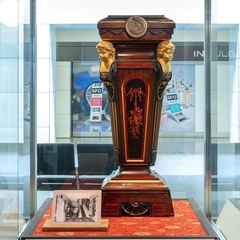
During the 1870s, collecting antiques and objets d’art became a national pastime.
This image was posted on September 05, 2019.
#victorianpedestals #victorian #pedestals #victorianfurniture #victoriana #design #decorativeart #interiorstyle
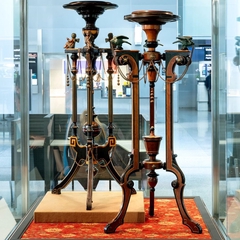
In response to the Victorians’ love of collecting and eclectic display, furniture firms also produced smaller, shorter stands to display all manner of items—from plants, vases, and candleholders to smoking paraphernalia.
This image was posted on December 02, 2019.
#victorianpedestals #victorian #pedestals #victorianfurniture #victoriana #design #decorativeart #interiorstyle
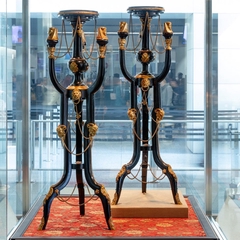
During the 1800s, many designers were drawn to Classical, Gothic, Egyptian, and Renaissance art and architecture.
This image was posted on August 22, 2019.
#victorianpedestals #victorian #pedestals #victorianfurniture #victoriana #design #decorativeart #interiorstyle #museum
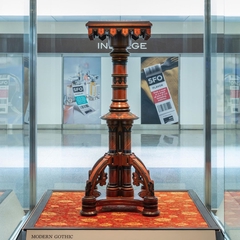
American Modern Gothic furnishings evolved from the nineteenth-century English design reform movement in England.
This image was posted on July 01, 2019.
#victorianpedestals #victorian #pedestals #victorianfurniture #victoriana #design #decorativeart #interiorstyle
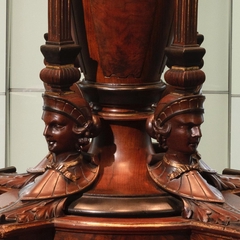
Renaissance Revival, the most ubiquitous furniture style following the Civil War, drew inspiration from the Renaissance of the fifteenth and sixteenth centuries as well as from the classical world.
This image was posted on October 18, 2019.
#victorianpedestals #victorian #pedestals #victorianfurniture #victoriana #design #decorativeart #interiorstyle #renaissancerevival #renaissance
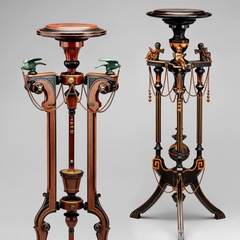
In response to the Victorians’ love of collecting and eclectic display, furniture firms also produced smaller, shorter stands to display all manner of items—from plants, vases, and candleholders to smoking paraphernalia.
This image was posted on December 02, 2019.
#victorianpedestals #victorian #pedestals #victorianfurniture #victoriana #design #decorativeart #interiorstyle
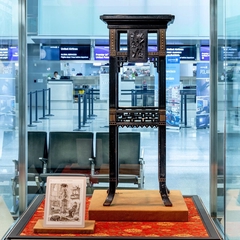
The 1876 Centennial International Exhibition in Philadelphia provided many Americans with their first direct exposure to Asian art through an array of objects showcased in the Japanese Bazaar.
This image was posted on June 19, 2019.
#victorianpedestals #victorian #pedestals #victorianfurniture #victoriana #design #decorativeart #interiorstyle
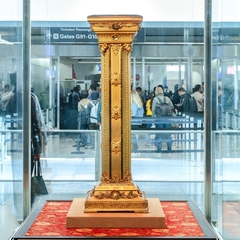
Gilding, which has existed since ancient times, entails applying extremely thin sheets of gold to the surface of another material.
This image was posted on December 17, 2019.
#victorianpedestals #victorian #pedestals #victorianfurniture #victoriana #design #decorativeart #interiorstyle #gilding #goldleaf